Category: Politics

  • Ukrainian Resistance to Russian Colonialism – Briarpatch Reading List (Extended)

    In the September/October 2025 edition of Briarpatch Magazine, I was able to publish a reading list about Ukrainian Resistance to Russian Colonialism. It is reproduced below with additional works I had to cut for length.

    I also recently became a board member for Briarpatch, so I strongly encourage you to check out their reporting and consider signing up for a subscription.

    In my final class studying international human rights law, I shared my paper analyzing Ukraine’s law on Indigenous people which, while imperfect, protects the territorial and language rights of Crimean Tatars, Karaites and Krymchaks. In the class discussion, a friend and self-proclaimed Marxist wearing a keffiyeh asked if I knew that the Russian language was broadly oppressed in Ukraine. Despite their rightful support for Palestine and correct criticism of colonial governments, they tended to be sympathetic to a different colonial, imperial power by repeating one of Russia’s falsified justifications for engaging in an unprovoked war of aggression.

    Expanding our critiques beyond western colonial empire is important as we struggle to find alternatives to any form of oppressive, centralized power. As fascism balloons in our own backyard, we can learn from Ukrainian people actively resisting a fascist authoritarian state. And as we try to comprehend how to dismantle an empire here, we can well be reminded that the problem isn’t one empire or another; rather, the problem is empire itself. As one empire coerces Ukraine into a minerals deal, another empire is currently shooting ballistic missiles at shopping centres in Ukraine. 

    The following resources have helped me understand Ukrainian resistance as removing itself from under the foot of centuries of a colonial power.

    Russian Colonialism 101 (2023)
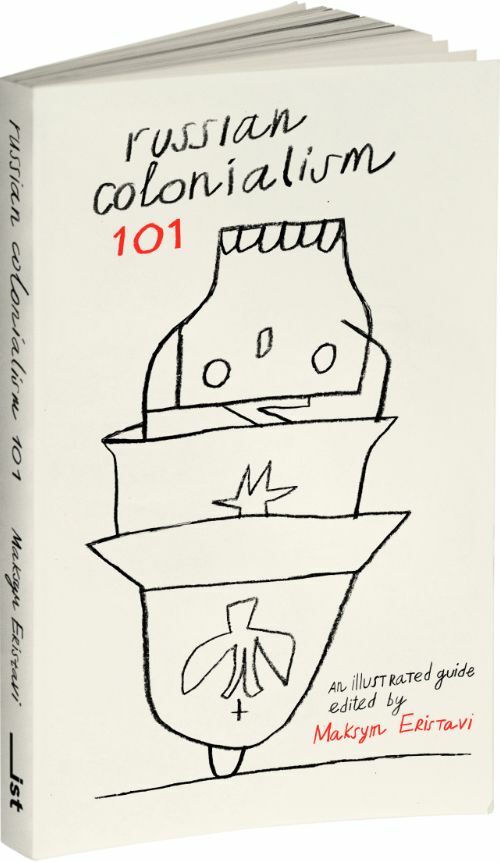
    Until I found the illustrated book, Russian Colonialism 101, by Ukrainian journalist Maksym Eristavi, I hadn’t heard of Russian history explained as colonial power. In the Western anti-colonial, anti-capitalist circles in which I found myself, the Soviet Union was generally either tolerated or praised, with Joseph Stalin’s violent purges considered one of the only dark spots marring this alternative to capitalism. I knew little about its predecessor, the Russian Tsarist Empire, or the current Russian Federation. This guidebook (basically a reading list of its own) explains that the past three iterations of Russian rule – from the Tsars to the Bolsheviks to the Vladimir Putin regime – have employed the same colonial tactics to control and oppress Indigenous nations neighbouring and within Russia’s borders. When Russian prisoners of war are released they are often photographed holding flags for Tsarist Russia, the Union of Soviet Socialist Republics (USSR), and the Russian Federation all at once. The book demonstrates that the current war on Ukraine is far from a singular project of a power-hungry dictator, but an unfortunate feature of Russian colonial statehood.

    Matryoshka of Lies: Ending Empire (2024)

    The Matryoshka of Lies podcast, hosted by Maksym Eristavi and Ukrainska Pravda news outlet dives into lesser-known histories of Russian colonialism. The season-one finale, Ending Empire, touches on Russia’s expansion into Alaska in the late 1700s, where they extended the same policies of coercion and enslavement they used on Indigenous nations of Northern Asia. (Tlingit resistance to this Russian colonialism is best captured by Gord Hill in The 500 Years of Indigenous Resistance Comic Book: Revised and Expanded.) 
    In part, the purpose of the episode and the podcast as a whole is to allow a western audience to better understand Russian colonialism as akin to the genocidal horrors of European colonialism that many North Americans are just starting to grapple with. Similar to many radicals in North America calling for an end to U.S. hegemony and violence through an end of the American Empire, this episode suggests that a “total reset in what is now the Russian Federation” is the only way to end these continuing colonial expansionary tactics.

    A Brief History of a Long War: Ukraine’s Fight Against Russian Domination (2025)

    Policies of food control and forced starvation have long been a genocidal policy of colonial governments, from Canada’s purposeful extermination of Indigenous food sources, to Israel’s current explicit weaponization of food in Gaza. The Holodomor (meaning ‘death by starvation’) occurred in 1932-33 in Ukraine and led to the deaths of upwards of a fifth of all Ukrainians. Soviet policies forced the collectivization of farms, imprisoned or killed people for hiding or ‘stealing’ grain, and instituted restricted travel so Ukrainians could not access other food sources.

    Whereas most narratives of the war start in 2022, or maybe 2014, Mariam Naiem’s graphic novel puts Russia’s war on Ukraine into perspective from the very beginning of Ukrainian nationhood. It unravels the long history of policies meant to extinguish Ukrainian sovereignty movements that threatened Russian control over valuable Ukrainian natural resources: from the Holodomor to policies meant to marginalize the Ukrainian language, to Russia’s invasion once Ukraine shifted into the European sphere of influence. This introduction to the history of the region helps give context to the war by explaining the centuries of Russian empire and Ukrainian resistance.

    Hanna Perekhoda: “The fight for freedom in Ukraine is intimately linked to the global struggle against fascist forces” (2025)

    While the Western left has generally expressed support for Ukraine, in some anti-imperialist circles, dialogue is often immobilized when someone associates Ukraine with NATO, Nazis, or nukes. In this interview, Hanna Perekhoda, a Ukrainian socialist and historian, succinctly addresses some of the most controversial among these stumbling blocks. She explains supposed Russian-language oppression and Russophobia is akin to the anti-white racism rhetoric rising in the West. Perekhoda speaks to Putin’s claim that Ukraine is overrun by Nazis, a propagandist justification for the war hearkening back to Second World War mythology. She acknowledges Ukraine’s far right, noting they have repeatedly proven to be a fringe movement. Given that problems with the far right exist everywhere, she questions whether this justifies a full-scale invasion or a withholding of military support or other aid. She notes that what really risks a rise in fascism is a long-standing war waged by a fascist Russian regime where common Ukrainians are radicalized by years of military occupation and systematic oppression. As Perekhoda makes clear, what is needed is support for Ukrainian lives, autonomy, and resistance.

    Ordinary People Don’t Carry Machine Guns: Thoughts on War (2025)

    Ukrainian author Artem Chapeye gives a contemporary account of what it is like to be on the receiving end of a colonial war of expansion. As a self-proclaimed pacifist, leftist, and feminist, Chapeye joined Ukraine’s military in 2022. After politely admonishing Western anti-imperial leftists for their lack of critique of other powers as compared to their rigorous critique of the American Empire, Chapeye addresses the privilege of pacifism that judges Ukrainian (and other) resistance; anarchist traditions of Ukraine’s historical resistance to empire; navigating the tension of being against the authoritarian dangers of nationalism while fighting for a civic – rather than ethnic – community currently under a nation-state; and the impossible psychological toll of war. Speaking to himself as much as to Western audiences, Chapeye explains Ukrainian resistance as follows: “We can either fight back now, with the losses that necessarily accompany this, or remain the colony of an empire for another hundred years.” His book explains his decision to fight against Russian invasion is not because of a guaranteed win, but because of the moral imperative to fight fascism in all its forms.

    ADDITIONAL WORKS

    Where Russia Ends (film) (2024)

    Makhno: Ukrainian Freedom Fighter (graphic novel) (2022)

    Hey Waitress! – Helen Potrobenko

    Putin’s Trolls – Jessikka Aro (2022)

    Without the State – Emily Channell-Justice

    Five Stalks of Grain (graphic novel) (2022)
  • Giggling Warm

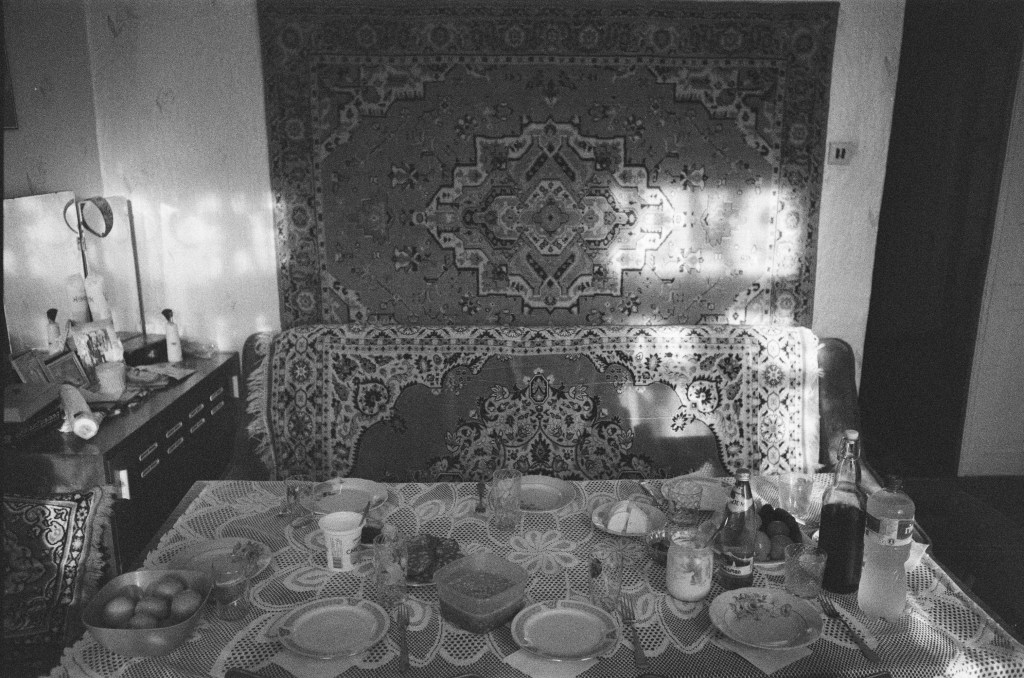
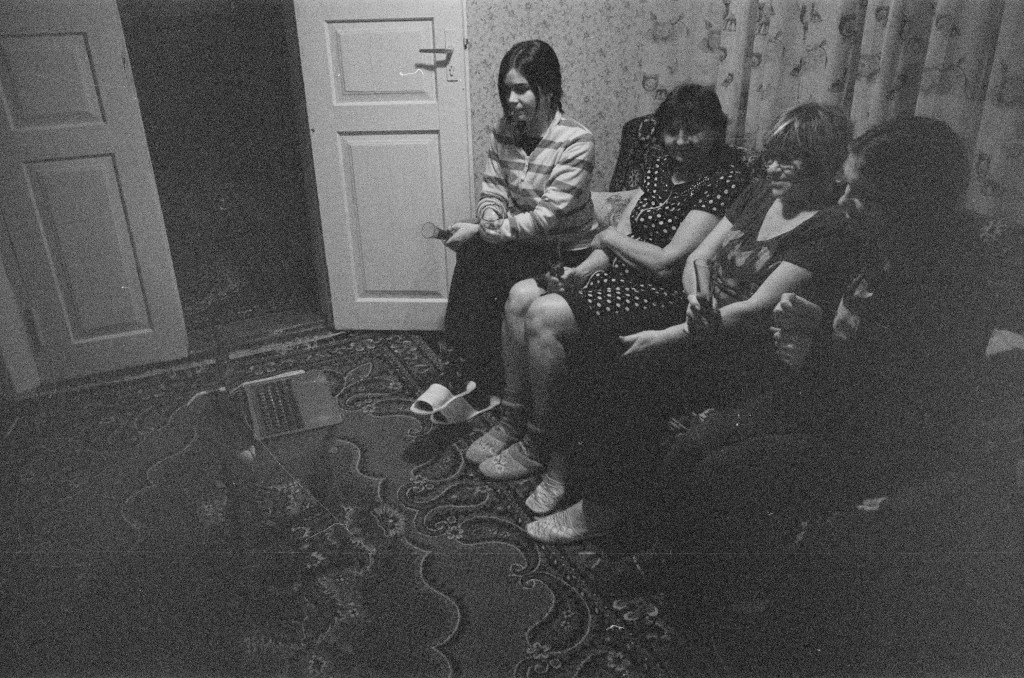
    I asked if they had beer, and the shop owner said, Yes there is, in one syllable (“Є”). He explained the options. Zero of the words matched with the (if we’re being generous) 750 in my vocabulary. Seeing the empty look in my eyes, my sister-in-law translated. He led me to his beer selection and glassware options, glad to exercise his English-speaking muscles in the Turkish restaurant he proudly runs in small Hnivan. He’s so kind, I think, to speak English to me. But his inflection is flat, normal. I’m just overwhelmed with joy in hearing the civilized intonations of beautiful English that tears form in my eyes.

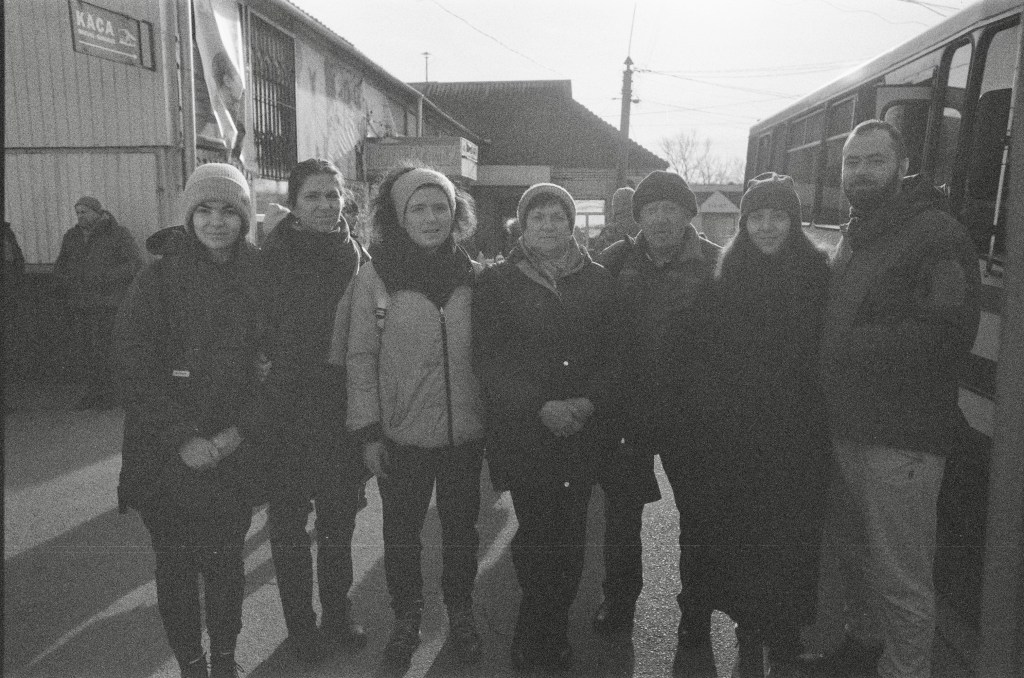
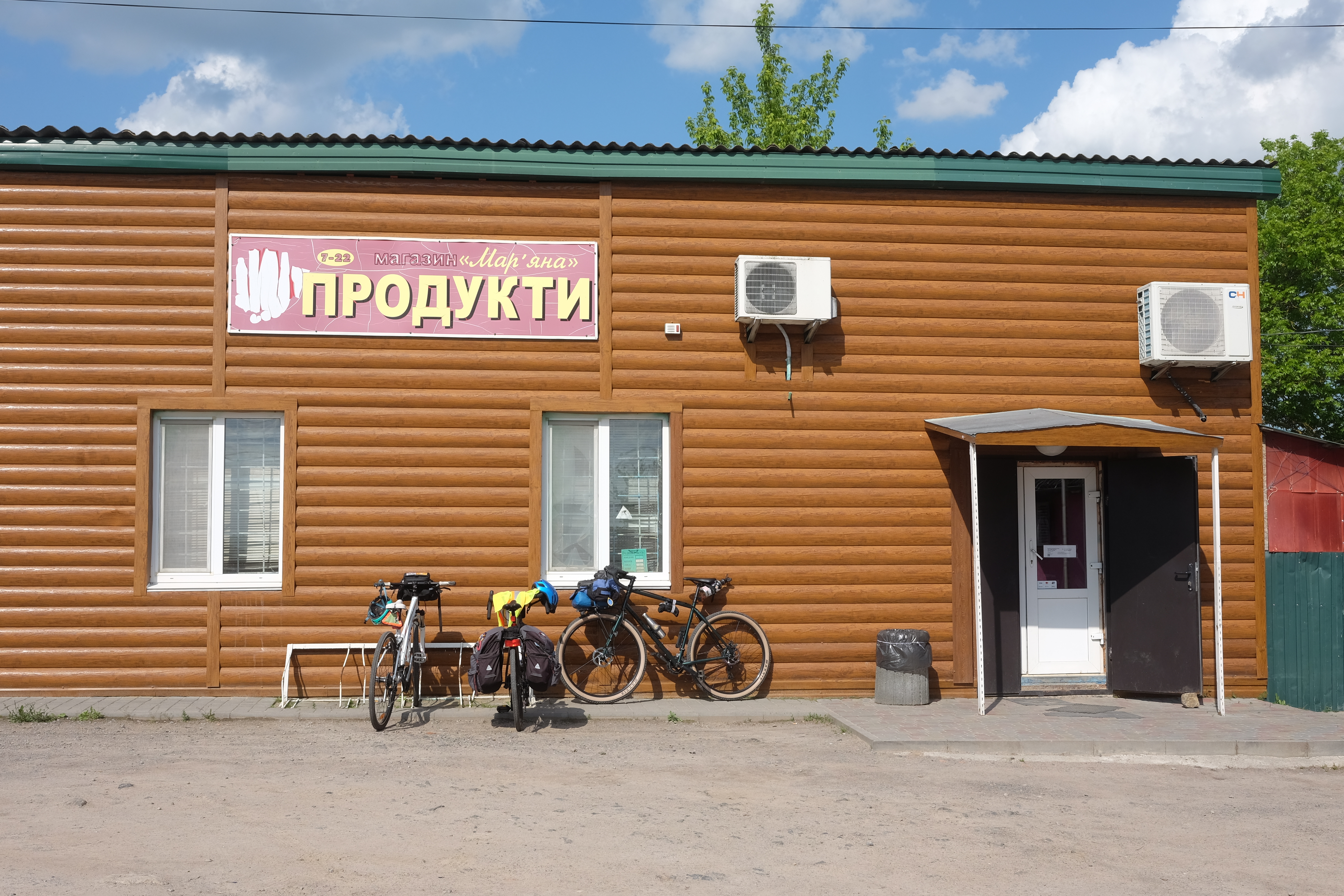
    We roll into Brailiv after napping in the nearby forest. Air raid sirens hang above the town like static electricity, and outside the school girls sing and choreograph movements to “Ukraine Sings”, while stray dogs chuckle and drink from puddles. On this episode of Dissociative Village High School. Outside of the town’s lone shop we discuss where to go next. Two girls on recess coming out of the shop with ice cream muster up the courage to say Hello and Are you from English? before noticing their error and running off giggling, warm. It feels good to be important again.

    The other Canadian Anglophone in online language course has a minor break and says there’s just no logic to the Ukrainian language. The other masc-presenting person who speaks Russian, agrees. The teacher (the only one who actually knows the language aka the only one with authority) kindly disagrees. Just because you don’t understand something, doesn’t mean it’s not logical, she wanted to say. I sit silently: I think he meant, there’s no logic to a world where an Anglophone bothers to learn another language. It doesn’t increase job opportunities, he’d told me. Why bother learning another language when people who don’t speak English are less intelligent, several hundred years of colonialism asks me. This same logic led to where we are now, air raid sirens disrupting chuckling dogs, armymen torturing journalists.

    Small things. How they cement-in these slick tiles in outdoor spaces and then have to build wooden staircases overtop so they aren’t so slippery. How you’re surprised when they decide to actually turn down the house lights at a show. How their driving is so unsafe as to be uncivilized. How the rain slaps on the tin overhang at the apartment. Noticing cultural differences doesn’t count as learning when it is drowning in Canadian exceptionalism. That is, I’m not becoming a better person for seeing the nuanced differences in daily life if I’m not challenging the part of me that is conditioned to think that their differences are inherently worse. When you’re brought up being told your country is the greatest in the world, it takes a long time to decondition the idea that the squealing wheels of the tram-bus isn’t because they are merely a lower order of human.

    All that I have internalized as better, is money. Village roads with more hole than road. Plastic bags for plastic bags. Litter in the pond in the village. Corrupt politicians. Plastic baseboards. All the ways that I remember home as better, more comfortable, more advanced, is merely the presence of disproportionate financial wealth, locally and globally. And in Canada, the presence of wealth is stolen land and its extracted resources. The things I remember from home as better are linked to theft of land, the same theft of land that is actively making people here poorer. Colonialisms upon colonialisms my god.

    It’s certainly ok to feel relieved when you can order a beer naturally and without pain. It’s certainly ok to know that less slippery tiles are better than slippery tiles, even if they don’t look like a high-school drama production’s set of a plantation mansion. What’s not ok is to confuse ill-gotten wealth and language-supremacy with greatness.

    On the way out the door, two beer buzz, he says “See you later alligator”. I giggle, warm. And that’s ok.

  • Multi-Millionaire Hockey Player Declines to Comment

    Ovechkin at 2005 World Juniors on the bench, injured

    thirteen lighting of the lamps

    until the Great Eight

    Vladmir’s number-one horse

    surpasses

    the Great One

    Donald’s number two, Governor

    Gretzky merlot to be served in Donald’s Riviera
    Ovi scores and Crimea gets a free PapaJohn’s

    greatest scorers of all time
    one-hundred-twenty empty net goals between them
    mom says they’re both

    cherry pickers

    podcast hosts don’t seem to talk about that


    Connor McJesus roofs

    one in OT
    heals the trade war

    tariffs explode
    supply chains re-weld
    the 49th etched deeper
    illegit sovereignty upheld

    Sid the Kid sings home and native land

    on key

    Fentanyl-czar can now eliminate the scourge

    of drugs over the deeper etch
    street hockey game
    puck rings off the
    iron law of prohibition

    who invented hockey again?


    Vladmir’s anti-propaganda law

    so Provorov boycotts

    Pride Night
    rainbow hockey tape

    two Staals secretly stick-tap

    for Donald executive-ordering
    two genders
    people X off the scoresheet

    Orthodox Pope supports

    the full-scale invasion:
    a conflict against sin
    and pride parades

    but remember it’s the

    Patriarchate
    who is oppressed

    hockey is for everyone

    but especially for
    people who look like
    the two highest scorers of all time

  • Fighting For Space

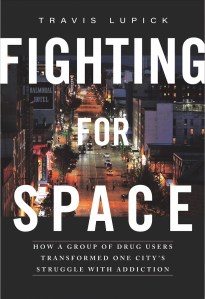
    The following book review of Travis Lupick‘s book Fighting For Space first appeared in Briarpatch Magazine‘s Prairie Edition, and online.

    In 2002, a group of residents and advocates met at the intersection of Main and Hastings in Vancouver holding a 100-foot-long hypodermic needle made out of a giant cardboard tube, stopping traffic. They were protesting the forced closing of a needle exchange on the corner of Main and Hastings in the Downtown Eastside. Earlier, in 2001, front-line workers had distributed clean needles in a trailer outfitted with washrooms, and ensured those using in bathroom stalls didn’t overdose. Affectionately known as “the Thunder Box,” the trailer became one of North America’s first unsanctioned supervised injection sites.

    These stories are among countless actions detailed in Travis Lupick’s Fighting for Space, which tells of the struggle that led to the implementation of Canada’s first official safe-injection site in Vancouver in 2003. The history of the harm reduction movement is one of direct action and protest – an “act first, ask second” attitude that was the only reasonable response to an outbreak of preventable disease and a crisis of premature deaths. Lupick focuses on the Portland Hotel Society (PHS), the groundbreaking housing non-profit that offered low-barrier housing to the city’s most vulnerable, and the Vancouver Area Network of Drug Users (VANDU), the advocacy group that pushed for accessible health care and decriminalization of drug use. The two worked in tandem, with VANDU often willingly taking the heat for direct actions to protect the more diplomatic and funding-restricted Portland Hotel Society.

    The history of the harm reduction movement is one of direct action and protest – an “act first, ask second” attitude.

    The 1990s saw a dramatic spike in overdose deaths and high rates of HIV diagnoses in Vancouver – not unlike the current fentanyl crisis playing out across Canada. But this time the human cost is much higher, with 2017 being the deadliest year on record for overdose deaths in B.C. The strategies used by advocates on the West Coast, honed over decades of persistent work, can provide guidance for similar struggles being newly waged in neighbouring Prairie provinces like Saskatchewan, where fentanyl has killed over 40 people since 2015.

    While revealing the staggering numbers of diagnoses and deaths is key to understanding the scope of the problem, it is the stories of the people who’ve lived through the harm reduction movement that makes this history real. By telling the accounts of people struggling for dignity against politicians and a public determined to dehumanize them, Lupick reinforces two basic claims of the harm reduction movement: people who use drugs are human, and all people deserve safety and health.

    In one of their first organized meetings, members of the newly formed VANDU agreed that they wanted somewhere safe and healthy to spend time, a space that was free of police harassment. The Portland Hotel Society’s first residence was known as the “Hotel of Last Resort.” Simplifying their message to one of “health and safety” – one that politicians and the public couldn’t reasonably reject – has grounded all of their actions and successes in the harm reduction movement. Lupick concludes the book with an epilogue about a family — Mary, Molly, and Mikel — in a quietly triumphant story of three generations living in the Portland Hotel Society, all experiencing stability in their health and housing.

    Lupick reinforces two basic claims of the harm reduction movement: people who use drugs are human, and all people deserve safety and health.

    Lupick does not deify Vancouver’s advocates or their process – rather, he shows them to be people offering the simple necessities of safety and support, while working toward inclusive public health policy. He demonstrates a proven way to effectively build low-barrier health care and housing systems: through persistent action coupled with advocacy, and building partnerships with sympathetic policy-makers. Without this infrastructure, the number of overdose deaths in B.C. last year would have been much higher.

    The current situation on the Prairies is nearly as dire as the one Vancouver faced in the 1990s. Saskatchewan’s HIVAIDS rates are the highest in the country, and with 79 per cent of the people newly diagnosed as HIV-positive self-identifying as Indigenous, programming must prioritize consultation with Indigenous communities. Meanwhile, harm reduction programs have been heavily stigmatized by a predominantly conservative public and openly scrutinized by political leaders. In 2009, former premier Brad Wall said his government would limit the number of clean needles handed out, despite a Saskatchewan Ministry of Health report proving the success of needle exchange programs. In 2017, The Sask. Party threatened community based organizations with a 10 per cent funding cut that would hit operations deemed not to be “core services,” like needle exchanges. Though the party eventually opted against the funding cut, when harm reduction programs are routinely among the first to be threatened, the work being done by those of the front lines is delegitimized and destabilized.

    When harm reduction programs are routinely among the first to be threatened, the work being done by those of the front lines is delegitimized and destabilized.

    For years, doctors, front-line workers, and advocates in Saskatchewan have been pushing for the province to declare a state of emergency regarding rising HIV rates. But if we continue to wait for a provincial government to take necessary action – especially as two newly elected party leaders wade in slowly, in a province where the health of First Nations people is systematically neglected — it may never happen. Prairie activists and front-line workers struggling through those bureaucracies must instead act upon their values and conscience to build systems of equitable health care and human services, regardless of whether they have been granted permission by the state.

    Nicholas Olson is the author of A Love Hat Relationship, a photobook of collectable prairie hats; and a series of illustrated zines with accompanying audiobook narrations. More can be found at ballsofrice.com. He lives in Treaty 4 Territory.


  • Advocating for Alcohol Harm Reduction Policy in Regina, Saskatchewan

    Advocating for Alcohol Harm Reduction Policy in Regina Saskatchewan
    Understanding Chronic Addiction and Responsible Public Health Practices
    Nicholas Olson – Housing Support Worker – Carmichael Outreach

    Background

    Severe alcohol dependence is common in individuals experiencing or at risk of homelessness in Regina, Saskatchewan. For individuals who have experienced violent or psychological trauma, alcohol is often used as a way to cope with the mental and physical pain that comes when this trauma is left untreated. Aboriginal populations overrepresent those experiencing homelessness in Saskatchewan and Canada, and many of the traumas they have experienced are directly related to unstable family settings caused by the lasting effects of residential and public schools and other programs created under colonial policy. Homeless populations have a high rate of alcohol dependence and for this reason face significant barriers to stable and safe housing, and are often unable to access shelter systems. In Regina, the few housing support programs that are willing to work with individuals with severe alcohol dependence are finding that the Housing First model is not always enough to keep individuals housed, healthy, and stable. Alcohol harm reduction is the next clear step to support Regina’s most vulnerable.

    What is Alcohol Harm Reduction?

    Alcohol Harm Reduction aims to reduce the harms associated with the use of alcoholic substances in people that are unable or do not desire to stop (International Harm Reduction Association). Harm reduction functions under the idea that all individuals deserve the dignity and respect to be treated in a manner that best supports them as a whole person, not just as an addict, and to be treated medically in a way that is understanding, empowering, and compassionate to their specific needs as a person experiencing an alcohol addiction. For many, the traditional abstinence model is unrealistic and does not take into account the desires of the individual who may not want, or be able, to discontinue use. Alcohol Harm Reduction aims to support the individual to live a healthy life regardless of whether they intend to become abstinent. This may be done by assisting them to consume healthy forms and volumes of alcohol through different programs tailored to the individual, supporting them to be safe during and after consumption, and working with them to maintain good health and, if desired by the individual, to reduce their alcohol consumption overall.

    Alcohol Treatment

    The development of Alcohol Harm Reduction through a Managed Alcohol Program (MAP), Alcohol Swap Program, Beer Co-op, and/or Prescription Alcohol is the best practice in supporting the addictions of a marginalized population in Regina primarily between the ages of 30-55. Since individuals experiencing or at risk of homelessness often have fixed or no incomes, beverage alcohol is unaffordable due to the high cost of controlled substances in Saskatchewan. This, coupled with the marginalization of individuals experiencing poverty, addiction, and mental health, has made beverage alcohol even more inaccessible because these individuals are often not permitted to enter establishments that sell beverage alcohol, and in many cases are unable to even access basic health and emergency services. Non-beverage alcohol (NBA) purchased in grocery stores, convenience stores, and pharmacies including mouthwash, hand sanitizer, hairspray, and rubbing alcohol is being consumed in large quantities because of its potency and availability.

    Non-beverage alcohol can be any form of alcohol that is not fit for human consumption. Ethanol, or ethyl alcohol, is found in beverage alcohol and is safe to consume in moderate amounts. Denatured ethanol, or alcohol denat, found in products such as mouthwash, hairspray, and some hand sanitizers, is ethanol with chemical product added to make the alcohol unfit for human consumption. The chemical additives also allow the producer to avoid the product being designated as a controlled substance. Methanol, or methyl alcohol is toxic and has caused death when consumed through hand sanitizer (CBC). Isopropyl alcohol, found in rubbing alcohol and some hand sanitizers, is toxic if ingested as well. While it is often stated that the extremely high alcohol content in non-beverage alcohol is the most toxic ingredient, with sustained use and high dosage, serious risks are present from the other toxic ingredients in each solution. Hairspray, for example, can have long term effects such as internal bleeding, kidney and liver damage, respiratory problems and death (CBC). Each receptacle of non-beverage alcohol clearly warns of the risks of consumption and strongly advises to contact poison control if consumed in any volume (Pauly 10).

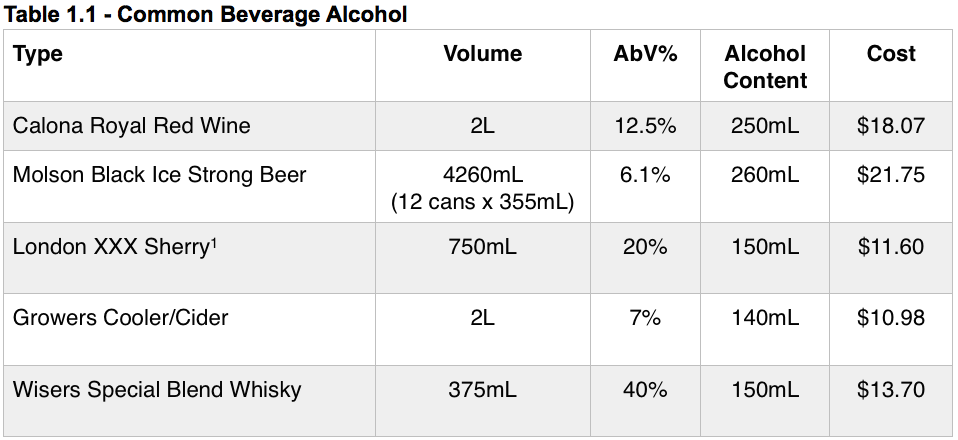
    Alcohol Contents and Types

    Table1.1
    (costs listed are based on saskliquor.com)
    (approximate calculations were done at http://www.cleavebooks.co.uk/scol/ccalcoh4.htm and should not be used as a substitute for medical advice)
    1 The LCBO is recalling four brands of sherry (LONDON XXX SHERRY INCLUDED) that tested positive for a potential carcinogen. “This is not like E. coli or botulism where you’re acutely affected. To be affected by something like this, you would have to consume it for a long time for many years, so there is no risk at all,” he said. “It’s very, extremely difficult for anyone to get cancer from this type of chemical, unless you’re consuming it on [a] daily basis and you’re drinking large amounts of it.” (http://www.cbc.ca/news/lcbo-recalls-sherry-for-carcinogen-risk-1.619474)

    Table1.2
    (costs listed based on retail prices at given locations)
    (approximate calculations were done at http://www.cleavebooks.co.uk/scol/ccalcoh4.htm and should not be used as a substitute for medical advice)
    2 Medicinal Ingredients: Eucalyptol (Eucalyptus Clobulus-Leaf) 0.092%W/V, Menthol 0.042%W/V, Methyl Calicylate 0.060%W/V, Thymol 0,064%W/V
    Notice: If more than used for rinsing is accidentally swallowed, get medical help or contact a poison control centre right away.
    3 Ingredients: Aqua, Ethyl Alcohol, Denatonium Benzoate, Camphor
    Notice: For External Use Only, Poison, Inflammable. If swallowed, do not induce vomiting. Call a physician immediately. If patient is unconscious, give them air. Danger: Harmful or fatal if swallowed.
    4 Ingredients: Alcohol denat, water (aqua), acrylates copolymer, aminomenthyl propanol, fragrance, octylacrylamide/acrylates/butylaminoethyl methacrylate copolymer, PEG-12 dimethicone, tritely citrate, hydrolyzed silk, hydrolyzed keratin. Alcohol content TBD but could be between 50-70%.
    5 Medicinal Ingredient: 62% Ethyl Alcohol. Non-Medicinal Ingredients: Aqua, polysorbate 20, carbomer, aminomethyl propanol, glycerin, tocopheryl acetate (vitamin E acetate), denatonium benzoate.
    Warnings: For external use only, do not ingest. In case of accidental ingestion contact your physician or a Poison Control Centre.

    Limiting availability of these products has proven to be an ineffective means of managing the consumption of the toxic forms of alcohol, as many or all of those accustomed to drinking non-beverage alcohol regularly travel to the suburban areas of the city to purchase from larger box stores and centres where they haven’t yet been banned. When individuals don’t have to spend their energy finding their next source of alcohol and managing their withdrawal symptoms, it allows them to begin to spend that energy on developing life skills, focusing on housing, setting goals, and working on improving their overall health.

    The only responsible, healthy, and compassionate way to support those who consistently consume non-beverage alcohol is to understand that in these cases abstinence is potentially a dangerous, unhealthy, and unrealistic treatment, and that reducing the harm they are causing to themselves means assisting them with the consumption of safe forms of alcohol. This can be done with Managed Alcohol Programs where individuals are given a regulated amount of alcohol at regular intervals during the day to help them deal with withdrawal symptoms and feel normal and well, Alcohol Swap Programs where individuals not necessarily receiving comprehensive housing supports can swap out certain quantities of non-beverage alcohol for beverage alcohol, a Beer Co-op where individuals are trained in proper and safe ways to brew their own alcohol for safe consumption, and Prescription Alcohol, which like a MAP, would regulate volumes and quantities based on medical assessments and administered in similar harm reduction models such as methadone. These programs, specifically MAPs, have been implemented across Canada and the US to reduce both the harms inflicted upon alcohol-dependent individuals, and the subsequent costs upon the health and justice systems.

    While other potential treatments for alcohol dependence include medications such as benzodiazepines, which include diazepam, or Valium, the lifestyle and the desires of the patient must be taken into account, and for many, discontinuing alcohol use is not desired and is not a possible solution. Using diazepam as a treatment for alcohol withdrawals does not respond to the fact that many individuals would rather not discontinue alcohol use, and even with regulated and prescribed diazepam treatment, many individuals will continue to drink different forms of alcohol when it is presented to them. This would lead to an increased risk of addiction to diazepam, and a “high risk of overdose, loss of consciousness, coma, and death.”(American Addiction Centers) Benzodiazepines are also used as a short term treatment option, with only 1-2 percent of adults continuing treatment for 12 months or longer, and carry substantially higher risks of dependence and misuse in populations with a history of substance abuse (Longo). When supporting an individual living in community, monitoring all the substances that enter the home is impossible, therefore it is best to prescribe that which reduces the most risk and harm to the individual.

    The harm reduction framework aims to support individuals to make healthy choices and this begins with offering assistance in managing quantities of beverage alcohol, and accessing beverage alcohol in a cost-effective manner, while at the same time being careful not to perpetuate the stigma of using non-beverage alcohols that is often present in community supports and medical services. Many populations are stigmatized even within social circles for drinking non-beverage alcohol, and this stigma is magnified in many professional health settings. Following the harm reduction framework means focusing on the needs and desires of the individual, not reducing addictions to a moral or ethical choice, and understanding the barriers that have led to less-safe alcohol consumption. It is important that harm reduction treatments are in place and practiced by health professionals, as professional knowledge is needed to create public health policy that can be safely and confidently administered by community entities.

    Understanding

    Each individual receiving alcohol harm reduction support will consume a different variety, style, and amount of beverage and non-beverage alcohol each day. It is important to understand what the approximate quantities of non-beverage alcohol are to ensure that the proper volume of beverage alcohol is supplied to each individual. Having a set schedule of beverage alcohol consumption would ensure that a moderated amount of alcohol is consumed, which, ideally could be lessened over time based on the desires of the individual. Clinical medical advisement through a MAP or prescription may be required to ensure that the individual is getting a safe dosage, and that an understanding of the individual’s history with addiction and their personal and traumatic history is taken into consideration. In an evaluation of a MAP in Vancouver, BC, alcohol consumption did not necessarily decline in six months for all of the participants, however the consumption of non-beverage alcohol did decline, and most participants reported improvements in mental health, social connectedness, and general well-being, and consumed alcohol in a safer setting with less harms that come from drinking large quantities at one time (Stockwell 6,7).

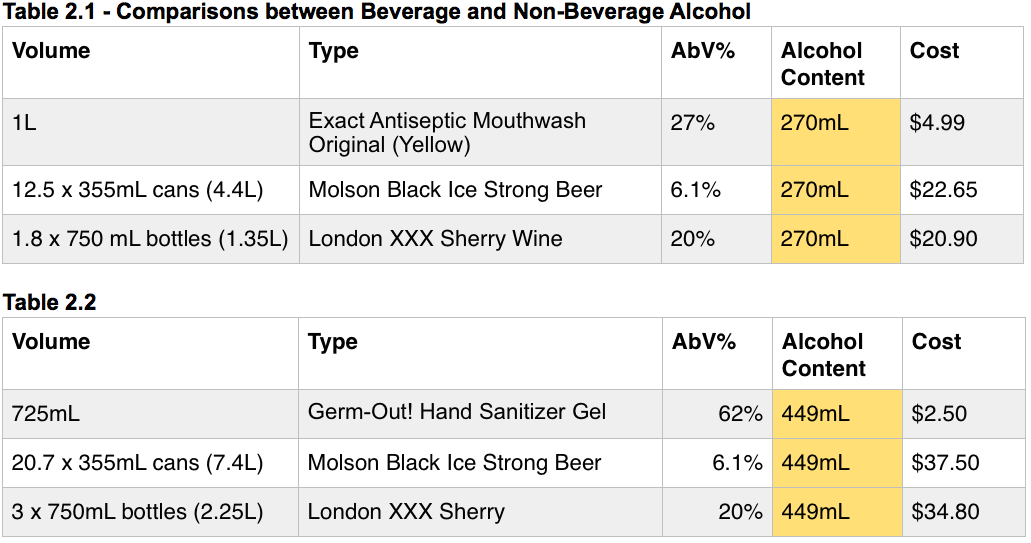
    Below are some comparisons of alcohol contents. Though it is clear that the ethanol present in beverage alcohol is different than the types of alcohol present in non-beverage alcohol (denatured alcohol/ethanol, isopropyl alcohol) and the “high” achieved through using non-beverage alcohol would therefore be different, the comparisons below are a guideline for quantities consumed knowing that the denatured alcohol and isopropyl alcohol have added chemicals that are toxic for human consumption.

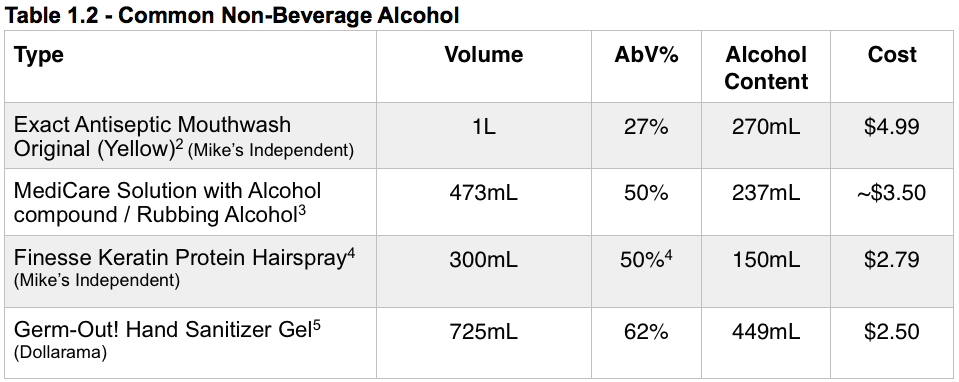
    For example, as shown in Table 2.1, one litre (1L) of Antiseptic Mouthwash has an alcohol content of 270mL, which is equivalent to 12.5 cans (4.4L), of strong percentage beer, or nearly two bottles of a strong sherry wine. Similarly, as shown in Table 2.2, it takes nearly 10 times as much strong beer to equal the same alcohol content of 449mL that is obtained through 725mL of Hand Sanitzer Gel. While the point of alcohol harm reduction isn’t necessarily to meet the alcohol content that an individual would consume drinking non-beverage alcohol, it is important for service providers and community supports to understand just how much beverage alcohol it takes to help cope with withdrawal symptoms.


    Table2.1-2.2

    Conclusions

    It is clear both to the uneducated outsider and to the affected individual that the consumption of non-beverage alcohol is extremely damaging to one’s physical and mental health. By offering support to individuals in their addiction through alcohol harm reduction programs, the dignity of these individuals is upheld as they are receiving compassionate medical treatment that views them as a whole person. Through these programs, these individuals would be able to access supports that are often only accessible to less-stigmatized populations, including detoxification programs that in Regina are inaccessible to many with reduced mobility and high physical needs.

    Access to inexpensive, clinically regulated and adequately strong forms of beverage alcohol is key to the physical and mental health and well-being of the individual. Regulated quantities of alcohol must be customized to each individual based on their own personal symptoms and histories. While having professional medical advice involved is clearly the best practice, disallowing access to safe forms of alcohol because of lack of confirmed policy is irresponsible and lacks the compassion necessary in the human services sector and in a responsible community.

    Policy driven by the Regina Qu’Appelle Health Region, monitored and planned by medical professionals, delivered by community organizations, and tailored to the needs of the individual are imperative to the success of an alcohol harm reduction program, and the timely nature of its implementation is extremely important to ensure the safety, health, and survival of a large population of vulnerable people. A responsible community and health region would not allow the continued consumption of controlled poison when clear, simple, and practical alternatives exist.

    Sources
    International Harm Reduction Association, What is harm reduction?, http://www.ihra.net/what-is-harm-reduction
    CBC News, Hand sanitizer ingestion linked to 2 Ontario deaths, Oct 25, 2013, http://www.cbc.ca/news/canada/toronto/hand-sanitizer-ingestion-linked-to-2-ontario-deaths-1.2252046)
    CBC News, Hairspray abuse plagues northern town, Feb 16, 2001, http://www.cbc.ca/news/canada/hairspray-abuse-plagues-northern-town-1.293513
    Pauly, B., Stockwell, T., Chow, C., Gray, E., Krysowaty, B., Vallance, K., Zhao, J. & Perkin, K. (2013) Towards alcohol harm reduction: Preliminary results from an evaluation of a Canadian managed alcohol program. Victoria, BC: Centre for Addictions Research of British Columbia.
    Carnahan RM, Kutscher EC, Obritsch MD, Rasmussen LD. Acute ethanol
    intoxication after consumption of hairspray. Pharmacotherapy. 2005 Nov;25(11):1646-50. PubMed PMID: 16232026.
    http://www.ncbi.nlm.nih.gov/pubmed/16232026?report=docsum
    American Addiction Centers, Dangers in Mixing Valium and Alcohol or Drugs, http://americanaddictioncenters.org/valium-treatment/dangers/
    Longo LP, Johnson B., Addiction: Part I. Benzodiazepines–side effects, abuse risk and alternatives. Am Fam Physician. 2000 Apr 1;61(7):2121-8. Review.,
    http://www.aafp.org/afp/2000/0401/p2121.html
    Stockwell, T., Pauly, B., Chow, C., Vallance, K., Perkin, K. (2013). Evaluation of a managed alcohol program in Vancouver, BC: Early findings and reflections on alcohol harm reduction. CARBC Bulletin #9, Victoria, British Columbia: University of Victoria
    http://www.uvic.ca/research/centres/carbc/assets/docs/bulletin9-evaluation-managed-alcohol-program.pdf
  • Slow Code Colonialism

    The following essay was published in the Summer 2014 edition of Transition Magazine, a Canadian Mental Health Association publication. Digital copy available here.

    You are lying on the street in cardiac arrest. I am obliged to inform your unconscious, breathless body of my newly acquired First Aid training. This, for some reason, is supposed to reassure you, as if my knowledge to enter three digits on a phone grabbed out of a bystander’s pocket changes the fact that your heart has ceased. All I can do is Check, Call, Care, and call bystanders to action, but according to the brawny male firefighters who taught my First Aid course, this should be reassuring. The fewer bystanders, the better, they said. According to said firefighters, CPR and portable defibrillators are so effective that you—unconscious, vulnerable, responsibility of the provincial healthcare and social services systems—shouldn’t worry about what will happen if you don’t wake up, but rather, what will happen if you do.

    The day after I became First Aid certified, I heard a piece on public radio that spoke to the misconception of the effectiveness of CPR. When it comes to the point where a human is in cardiac arrest, known as a Code Blue, healthcare professionals are obligated to administer life-saving procedures. When doctors are confident that CPR will not save a life, or will greatly reduce the quality of life that remains, they will often fake it, for it “looks and feels like a really gruesome way to usher someone out of this world.”(1) They go through the motions of CPR without actually trying to save the life. They do it so the patient can die. Slow Code—they even have a name for it. When family and friends are watching a loved-one slip away, they cannot understand a doctor who would stand by idly and let their family member die. CPR, in this case, is a system for the conscience of the bystander, not for the person in emergency. The professionals do this because the system of resuscitation is flawed.

    A friend was recently in the hospital. He got into a fight with three men half his age, he told me. Others claim that while inebriated, he tripped, the side of his head the first part of his body that struck the ground. Skull fracture and brain swelling which led to brain damage and memory loss. I visited him regularly—I sat there as an idle bystander contributing to his deteriorating health by supplying him with cigarettes which he forgot he had, as he basked in the overwhelming nature of his life of abuse and addiction. We played cards as he mumbled through the imagined traumatic experience of being locked in a house with three family members who beat him until he bled from the ears.

    When my friend is discharged, he will leave the hospital to no home and to a family who can no longer give him the support he requires. The hospital can’t keep him forever. The rehabilitation centre says he is too high-functioning—a man who cannot remember where he put his paintbrush or the names of his brothers. The province cares not for the marginalized. An ethically responsible governing body cares for the vulnerable, but my friend will end up homeless in a week, one inevitable head injury away from complete debilitation. He has never met his social worker. The social worker in his ward blankly stated that it isn’t her problem once he is discharged. The workers search on their computers and make phone calls in vain, aiming to satisfy the bystanders, knowing that whatever they do, it won’t save his life, because, whether or not they know it, the system of resuscitation is flawed. To those within the social welfare system, this is the most receptive the state will ever be—just another case file in the colonial shell game that is the Canadian welfare state.

    Those who have not dealt with the system imagine that it works for all. They imagine that the cracks through which people slip are fairy tales told from faraway lands. They can’t imagine a circumstance where someone would be left out in the cold after a traumatic event, because, they think, this is Canada, land of universal healthcare and equal aid for all. This liberal notion of equality of opportunity fails to understand the systemic racism which is fundamental to the colonial state. The gaps exist on purpose. The system of resuscitation is intentionally flawed—it is designed to appease the conscience of the bystander. But unlike a medical Slow Code, it is flawed in its design to take resources and power out from the trained field workers through lack of programs that offer proper supports. Fifty-percent of the Saskatchewan provincial budget is devoted to healthcare and social services, totalling over $5.5 billion per year.(2) With such a significant portion of the provincial budget devoted to two departments of human services, the general populace can only assume that the dollars are sufficient and effective; however, gaps in the departments are purposeful and widespread.

    Aboriginal communities have been stunted by the implementation of provincial and federal social assistance programs, contributing “to the persistence of individual and community economic dependency.”(3) These programs run on outdated living allowances, low earning allowances making a transition to employment impossible, and lack of adequate supports for Aboriginal people living in urban centres or dealing with HIV/AIDS. These programs run on cycles of poverty and death. A growing number of Aboriginal people have been forced from reserves to urban centres, where it is exceedingly difficult to live as a traditional Aboriginal person. It is a direct extension of settler colonialism, originally performed under the mandate of pre-confederation’s Indian Affairs, whose policies to ‘civilize’ Aboriginal populations introduced the residential school system. Residential schools were decentralized into the provincially-run Ministry of Social Services, a ministry which continues to perpetuate the same exterminatory mandate. Slow Code Colonialism—neocolonial institutions created to emphasize the desires of the bystander and ignore the needs of the sick. Neocolonialism is already the disguise for cultural eradication and is further masked as the unavailability of programs due to lack of financial support. Where supports exist, resources do not. My friend qualifies for a bed in a home for those with Acquired Brain Injury, but only after sifting through a waiting list of several months, and not if he continues to battle his addiction. Fairytale cracks become real. The ministry that originally took responsibility for my friend as a young boy sent to a residential school, now waives this responsibility and deliberately leaves him to flop around on shore, their program near completion.

    I was taught to Check, Call, Care. As your consciousness flickers, as shock sets in, I brush your hair from your forehead and tell you it will be alright. I lean close to your face to check your respiration. You are not breathing. Since I do not have my recommended mouth-cover, I begin compression-only CPR. I tell a bystander to call for help. I break your ribs and bounce up and down on your sternum with my arms locked at the elbows. The paramedics arrive. They are trained in emergency and begin Slow Code CPR, feigning an attempt at revival because that is what bystanders expect of them. There’s nothing we could do, they say, but I am appeased because of their valiant attempts at resuscitation. What they don’t tell me is that they were thinking about football when they were supposed to be pumping blood through your chest. You somehow survive despite the Slow Code, but you wake up with broken ribs, brain damage and you are expected to survive when you have no place to live and no family to care for you. And the system of resuscitation wins in its purposeful defectiveness.

    “Sir John A. MacDonald’s policy of starving First Nations to death in order to make way for the western expansion of European settlers,” along with the residential school system, “meets the criteria of genocide…by omission, if not by deliberate commission,” says a letter to United Nations Rapporteur for Indigenous People.(4) The policy of nineteenth-century Canada differs from today’s policy of intentionally defective programs of social service only in thin veils of supposed goodwill. There is no greater place to hide genocidal policy than behind a department of human services. The only other difference between Canada’s previous policies of starvation and the policy of today is the time elapsed in which the extent of the genocide could be fully understood. And time will again pass.

    The only way to stop Slow Code Colonialism is through a remodel of the system of resuscitation. The Ministry of Social Services is just one of the administrative programs that force subjugation by stamping out hope and dignity through “a complex web of city agencies and institutions that [regard] the poor as vermin,” Chris Hedges explains.(5) These programs work together to perpetuate the accepted state ideology by operating under the guise of being a protective force. The police who mine for crime by making arrests in communities of lower economic status work as the frontline of the repressive arms of the state. The military who break up blockades of First Nations fighting for liberation form another wing of Slow Code Colonialism. These structures work to protect the status and wealth of white middle class Canada, while ensuring the poor Aboriginal populations live in abject poverty, utterly subordinate to those who control the state. These structures project an image, and behind this image is a bloated bureaucracy focused not on remedying social evils, but on keeping these injustices out of the field of vision of polite society.

    The system must be remodelled to one that does not look to appease the taxpayer, but rather to adequately serve the marginalized. This starts when bystanders become involved and demand that governments stop these hegemonic structures of administrative programs such as Social Assistance, the judicial system, the police and RCMP, and unregulated resource development that make up the branches of colonization. This will dismantle the less visible forms of  “a very active system of settler colonialism.”(6) It starts with education and partnership that leads to real reconciliation “grounded in political resurgence” that “support[s] the regeneration of Indigenous languages, oral cultures, and traditions of governance.”(7) The system will be reformed when the programs intended to assist people do just that, instead of control, institutionalize, and cripple. As with any cooperative and proactive social system or community network, a welfare system administered by those to whom it caters is a democratizing step to reconciliation and empowerment. Aboriginal participation in the development of such strategies and programs is necessary to eventually eliminate the economic gap.(8) These state apparatuses will require more than just reform to make them democratic, but will require revolutionary change encouraged by grassroots movements like protests at Elsipogtog and Idle No More.

    First Aid isn’t as futile as it may have seemed at first. Although I still tread in the overwhelming nature of ignorance of how to respond to an emergency more serious than hunger pangs, I at least know that the symptoms for stroke, diabetic shock, and extreme inebriation are identical. I now know that the systems they taught me are evolving and changing because their legitimacy is still highly in question. I am no longer a bystander, but a person of direct action. The fewer bystanders, the better, they told me. With fewer bystanders, Slow Code Colonialism can shift to a more balanced paradigm of moral care for all.


    1. Goldman, Dr. B, (writer). Goodes, Jeff, (producer). 2013. “Slow Code.” White Coat, Black Art. CBC Radio 1. (http://www.cbc.ca/whitecoat/2013/10/18/slow-code/)

    2.  Saskatchewan Provincial Budget Summary, Ken Krawetz Minister of Finance, Government of Saskatchewan, 2013-14 GRF Expense, p44. (http://www.finance.gov.sk.ca/budget2013-14/2013-14BudgetSummary.pdf)

    3. Report of the Royal Commission on Aboriginal People. 1996. Ottawa, Indian and Northern Affairs Canada. Volume 2, Part 1, Chapter 5, Section 2.9 (http://www.collectionscanada.gc.ca/webarchives/20071211061313/http://www.ainc-inac.gc.ca/ch/rcap/sg/sh88_e.html)

    4. Fontaine, Phil. Farber, Bernie. 2013. “What Canada committed against First Nations was genocide. The UN should recognize it.” The Globe and Mail. October 14. (http://www.theglobeandmail.com/globe-debate/what-canada-committed-against-first-nations-was-genocide-the-un-should-recognize-it/article14853747/)

    5. Hedges, Chris. 2005. Losing Moses on the Freeway. New York, NY: Free Press, Chapter 1, p17

    6. Simpson, Leanne. 2013. “Elsipogtog Everywhere.” October 20. Retrieved October 21, 2005 (leannesimpson.ca/2013/10/20/elsipogtog-everywhere/)

    7. Simpson, Leanne. 2011. Dancing On Our Turtles Back. Winnipeg, MB: Arbeiter Ring Publishing, Back cover

    8. Painter, Marv. Lendsey, Kelly. Howe, Eric. 2000. “Managing Saskatchewan’s Expanding Aboriginal Economic Gap.” The Journal of Aboriginal Economic Development. Volume 1, Number 2, p42

  • The Adirondack Haystack Still Tours

    The Adirondack Haystack Still Tours Mini Book Tour/Camping Trip

    July 12 – Kokopelli Salon w/ Son Howler, 2052 Commercial Dr, Vancouver BC, 8pm
    July 16 – Oaklands Sunset Market, 1-2827 Belmont Ave, Victoria BC, 4pm
    July 18 – Pages Books, 1135 Kensington Road NW, Calgary AB, 7:30pm

    See posters below. Click below for PDF versions.

     The Adirondack Haystack Still Tours The Adirondack Haystack Still Tours Poster

    Market July-page-001

    July 16 – Victoria