Category: Holidays

  • Giggling Warm

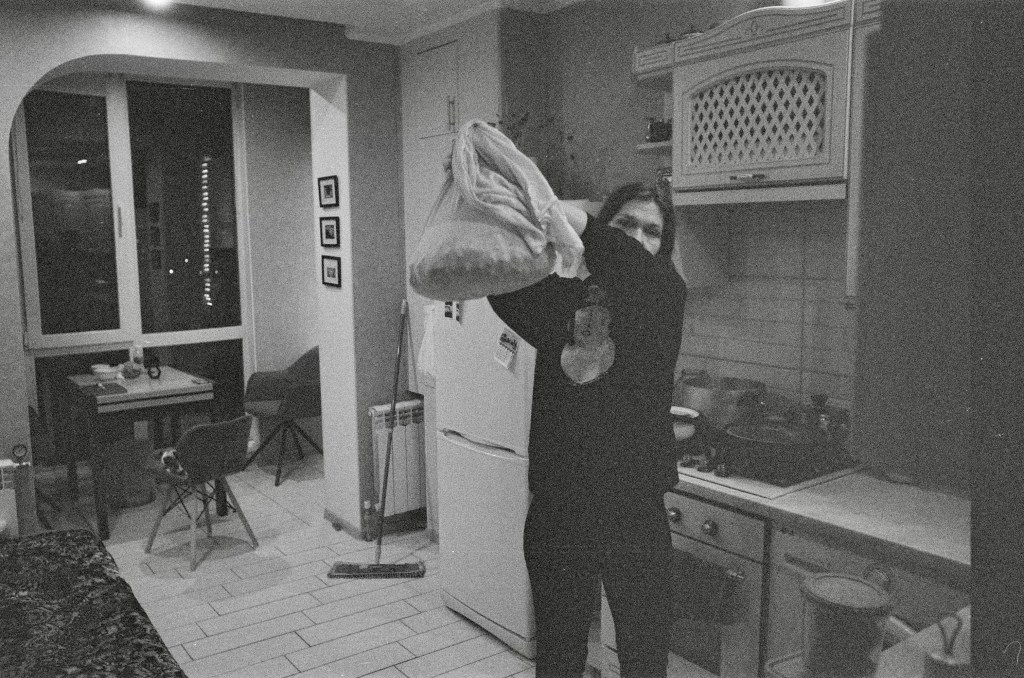
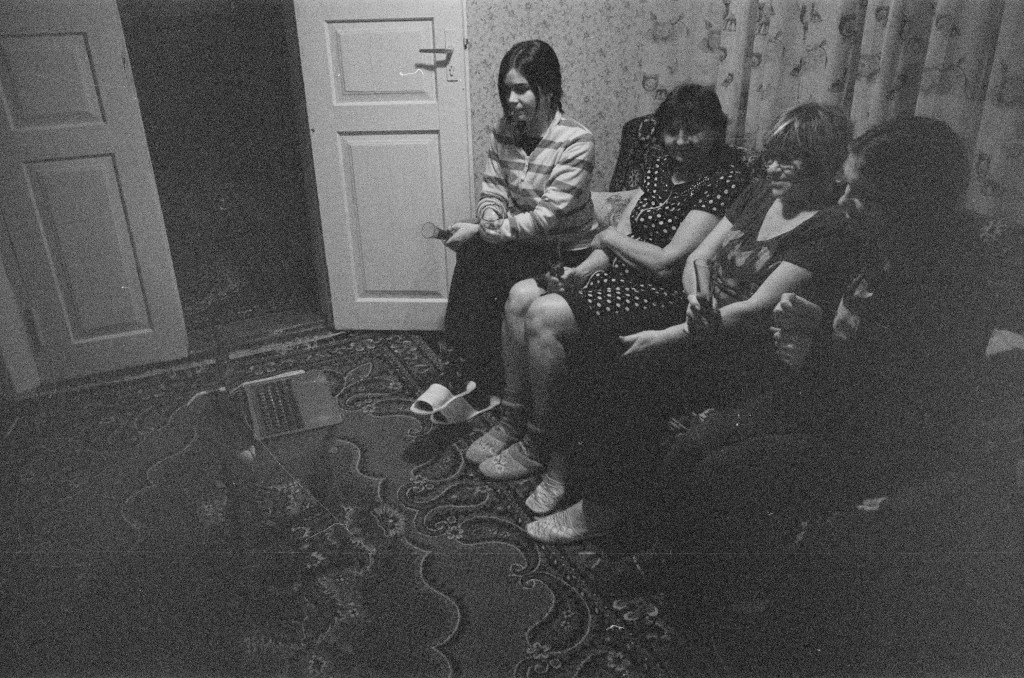
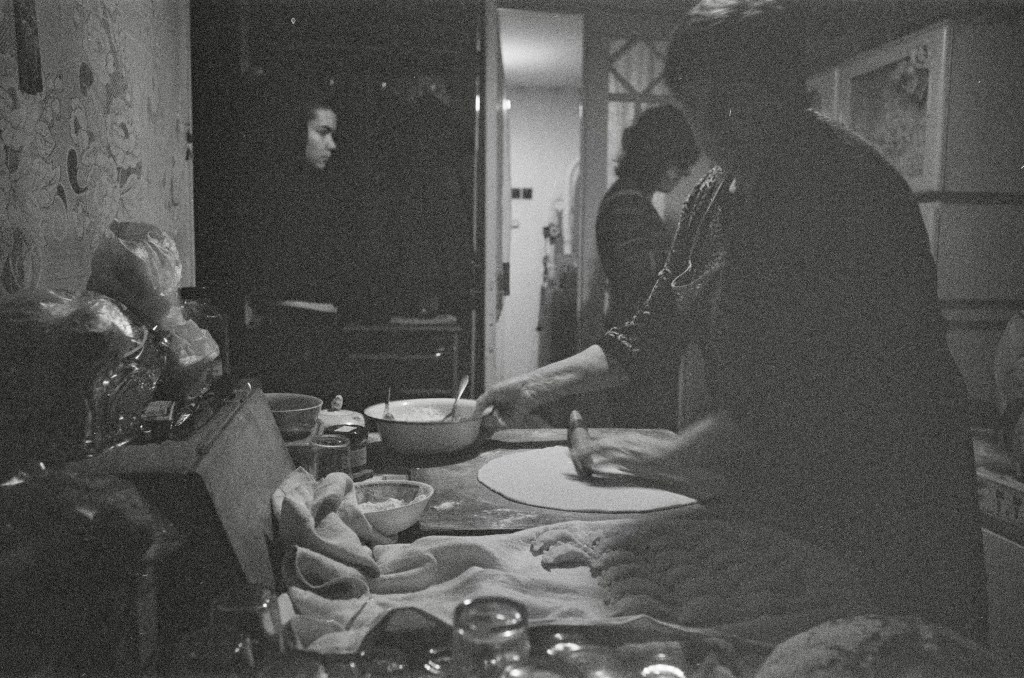
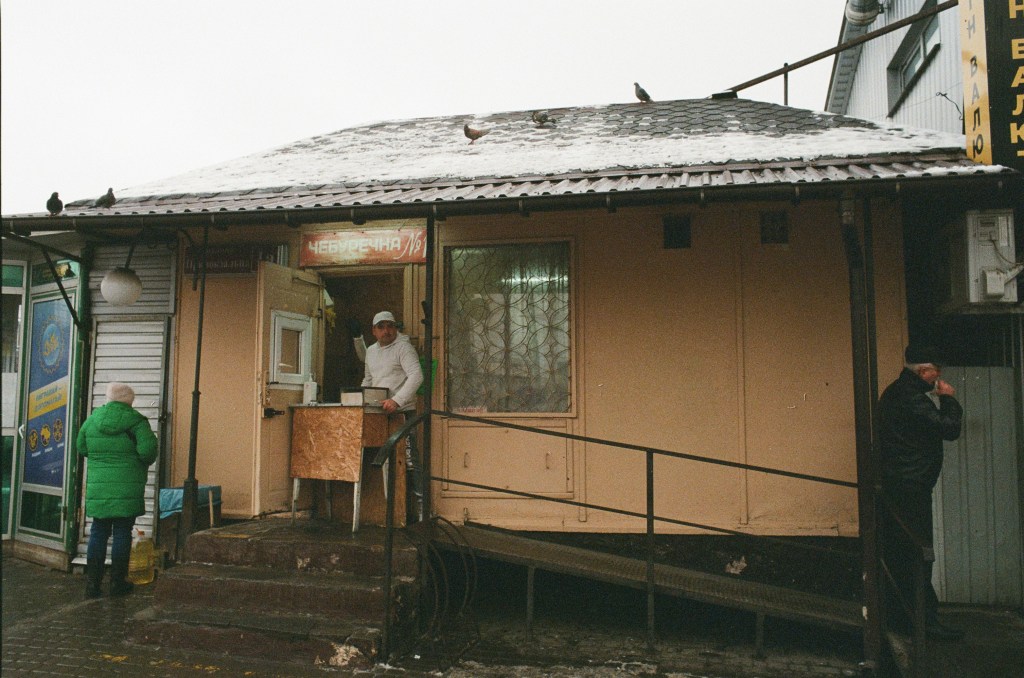
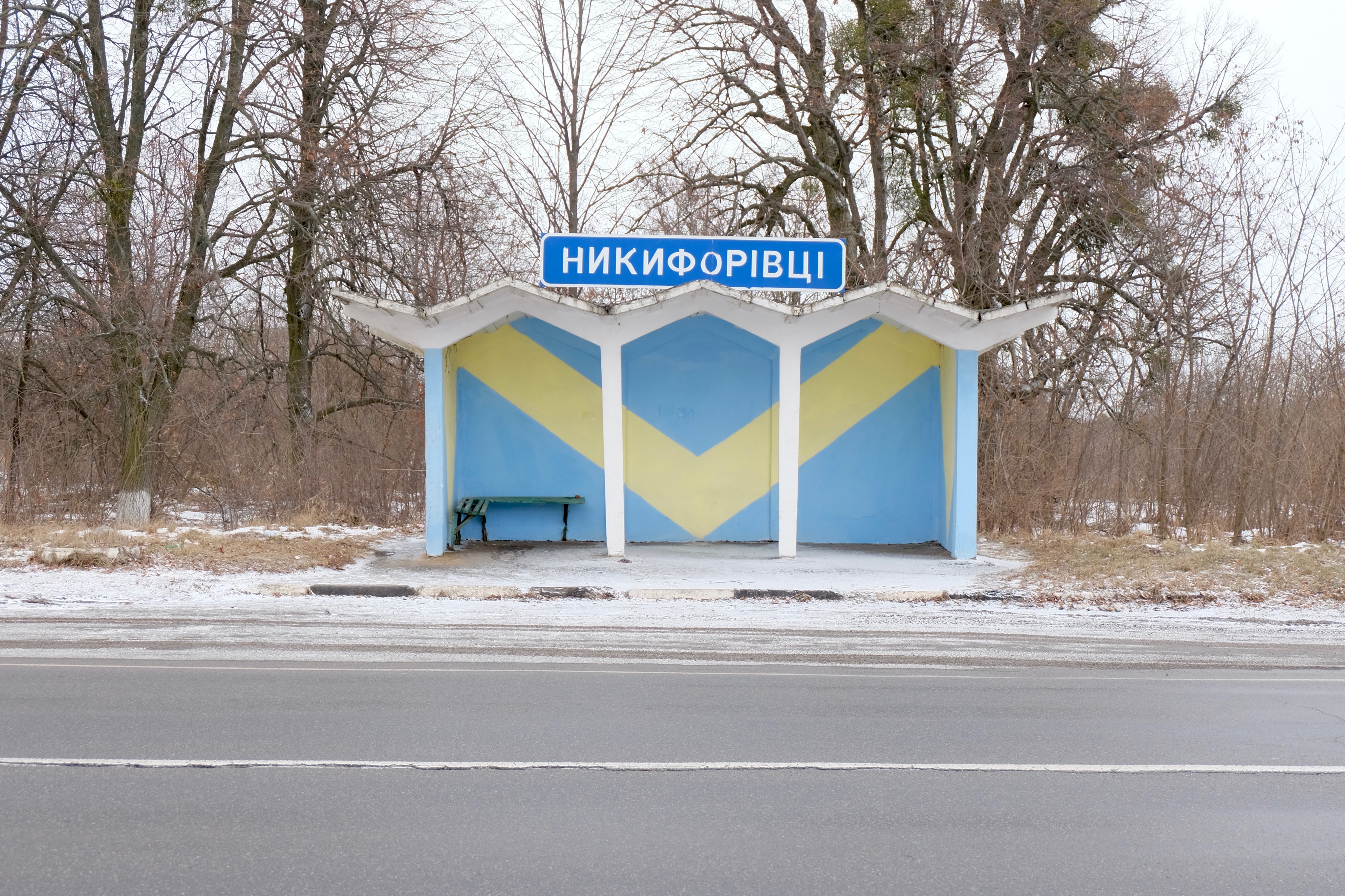
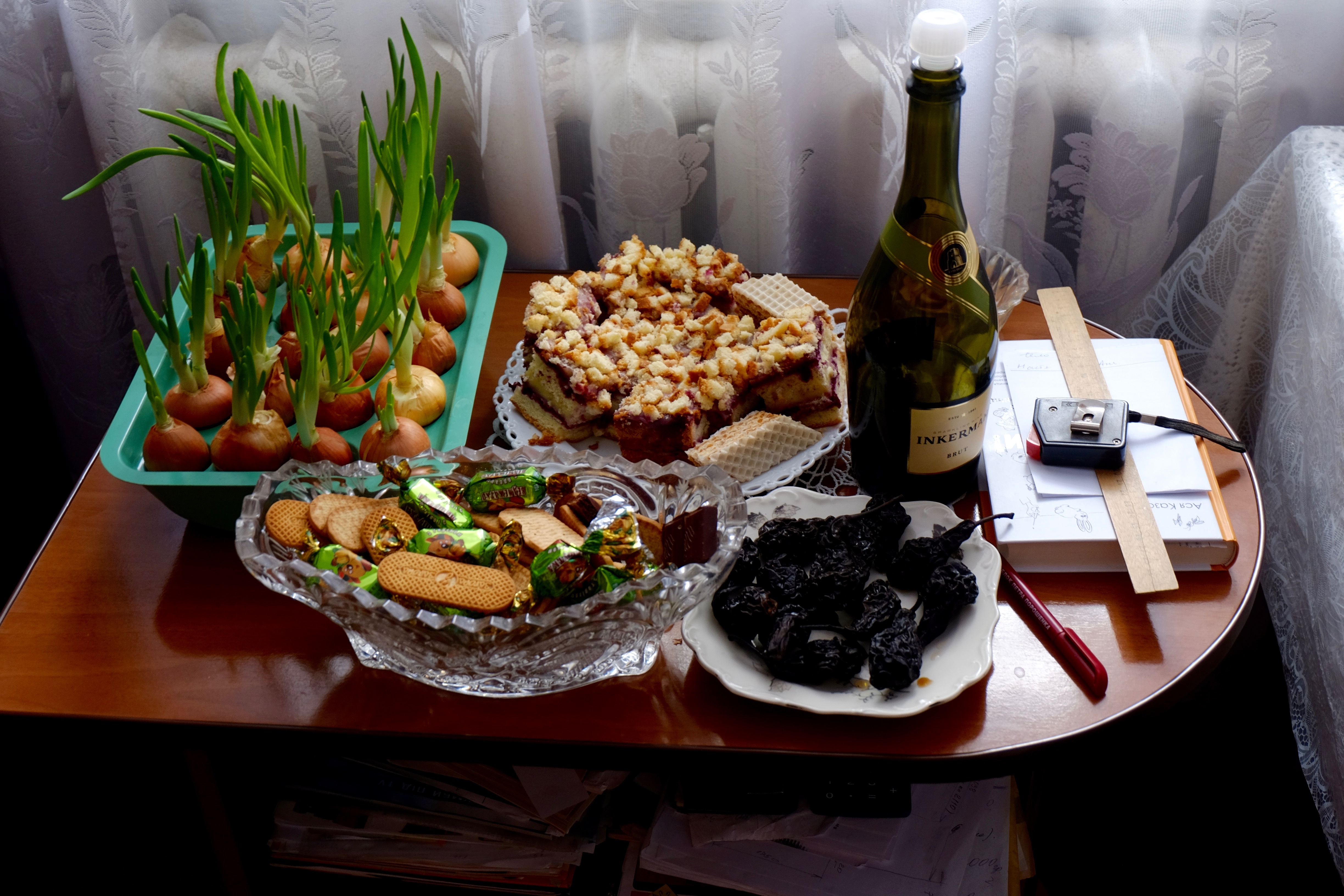
    I asked if they had beer, and the shop owner said, Yes there is, in one syllable (“Є”). He explained the options. Zero of the words matched with the (if we’re being generous) 750 in my vocabulary. Seeing the empty look in my eyes, my sister-in-law translated. He led me to his beer selection and glassware options, glad to exercise his English-speaking muscles in the Turkish restaurant he proudly runs in small Hnivan. He’s so kind, I think, to speak English to me. But his inflection is flat, normal. I’m just overwhelmed with joy in hearing the civilized intonations of beautiful English that tears form in my eyes.

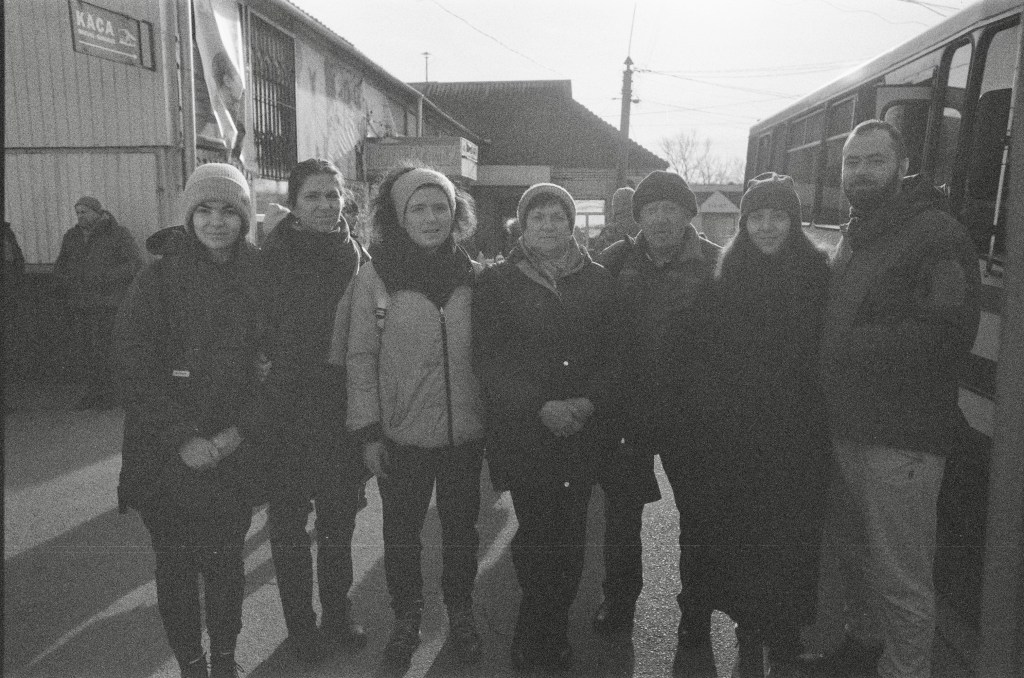
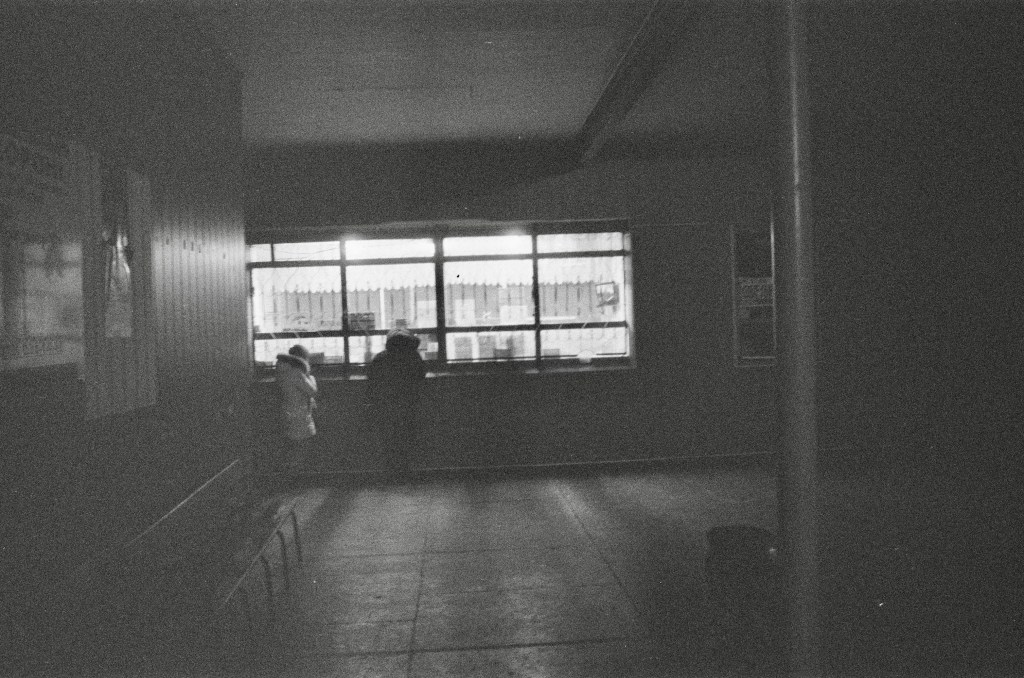
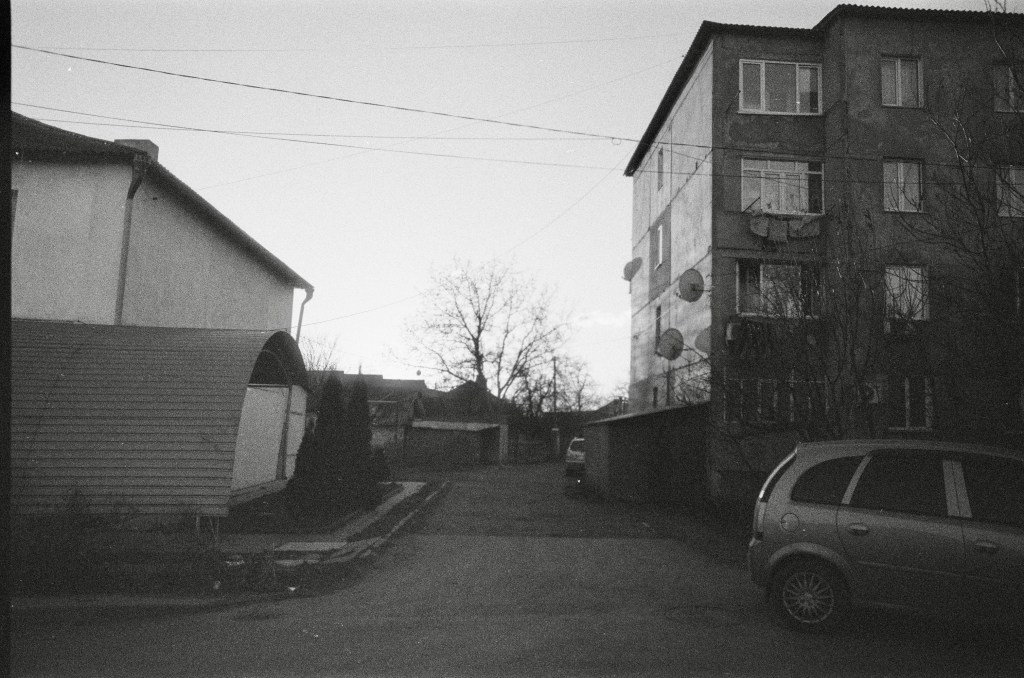
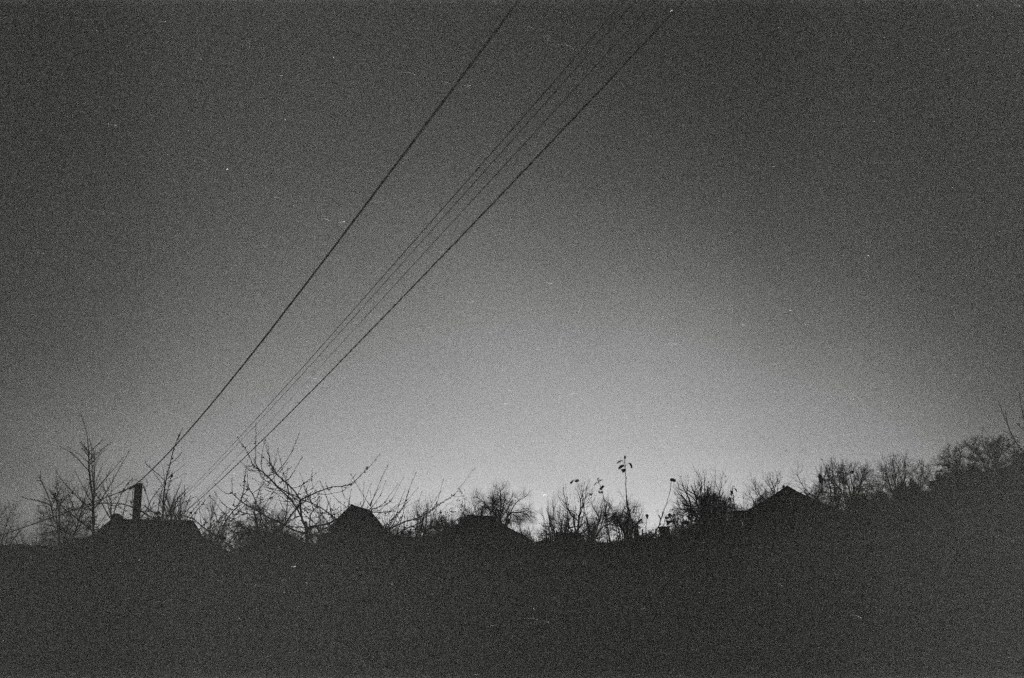
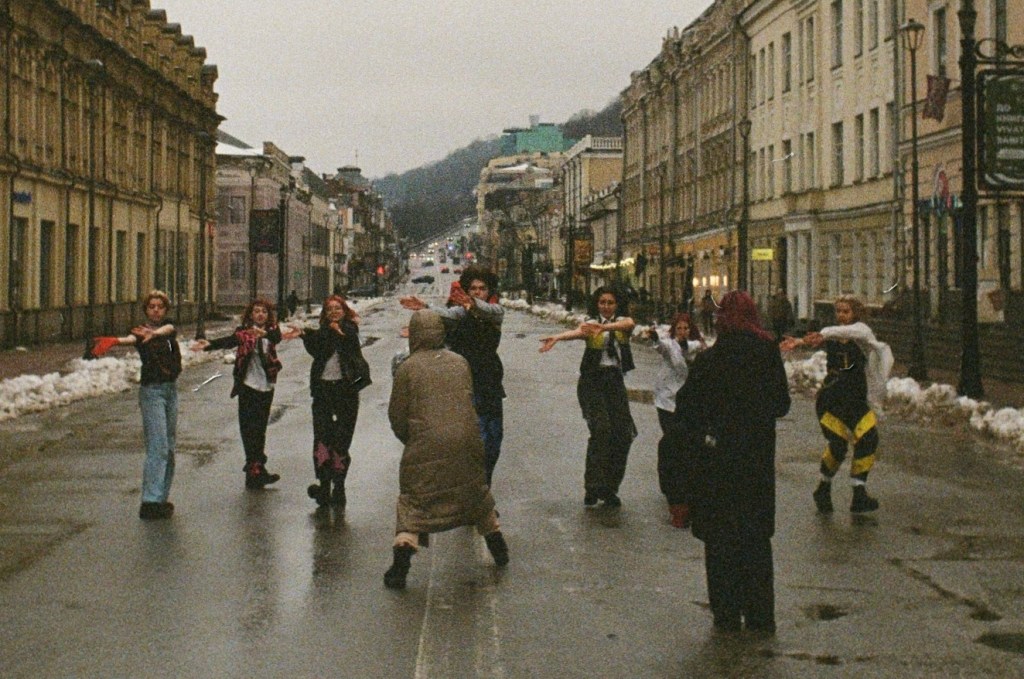
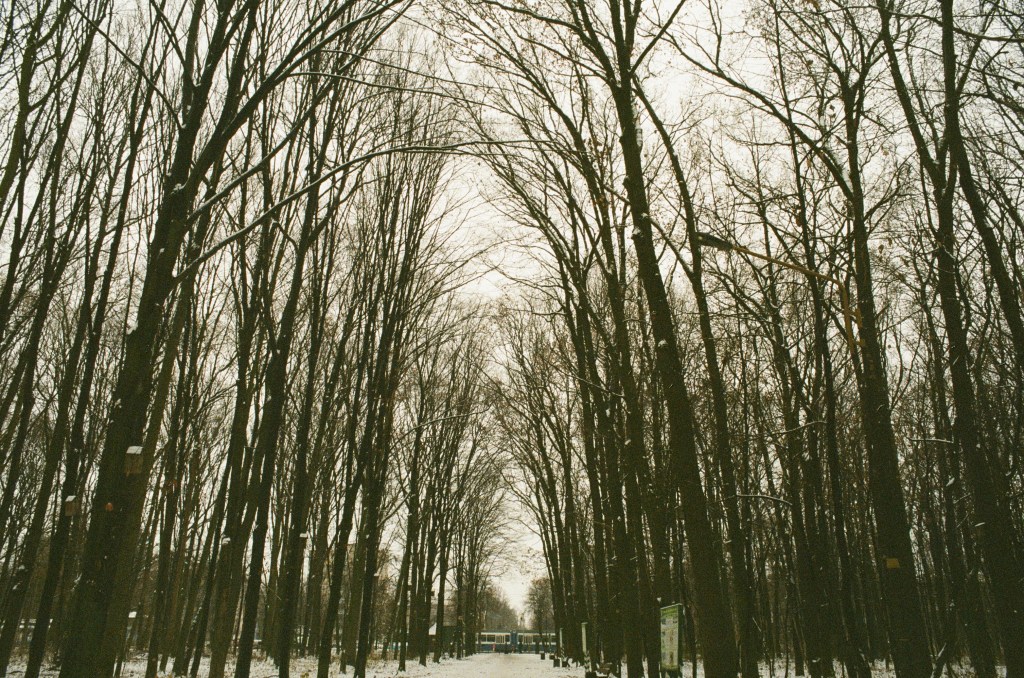
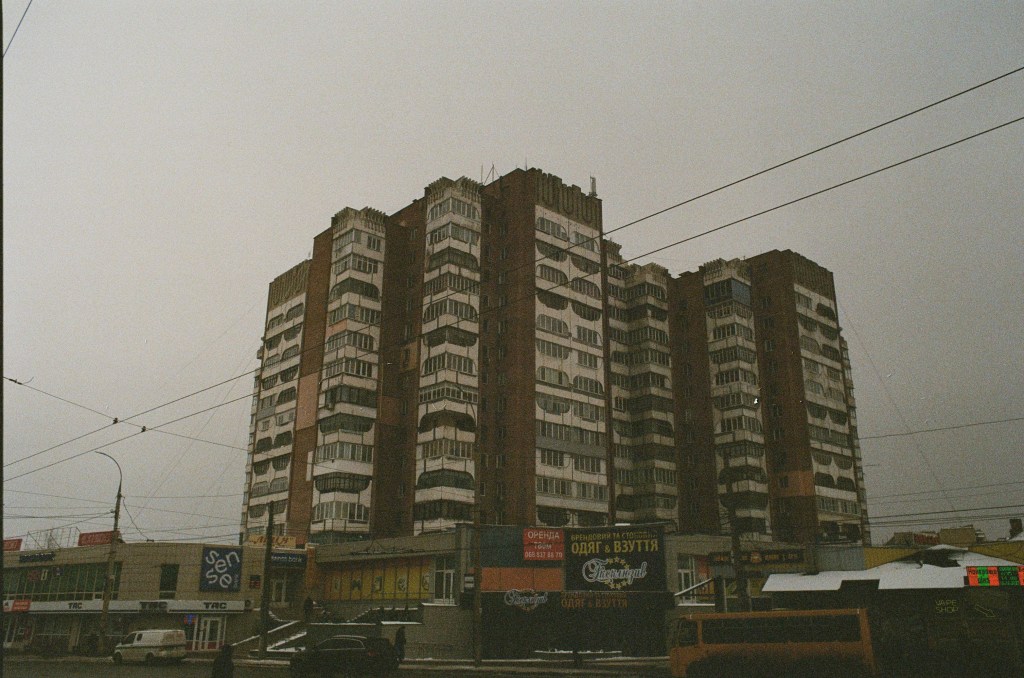
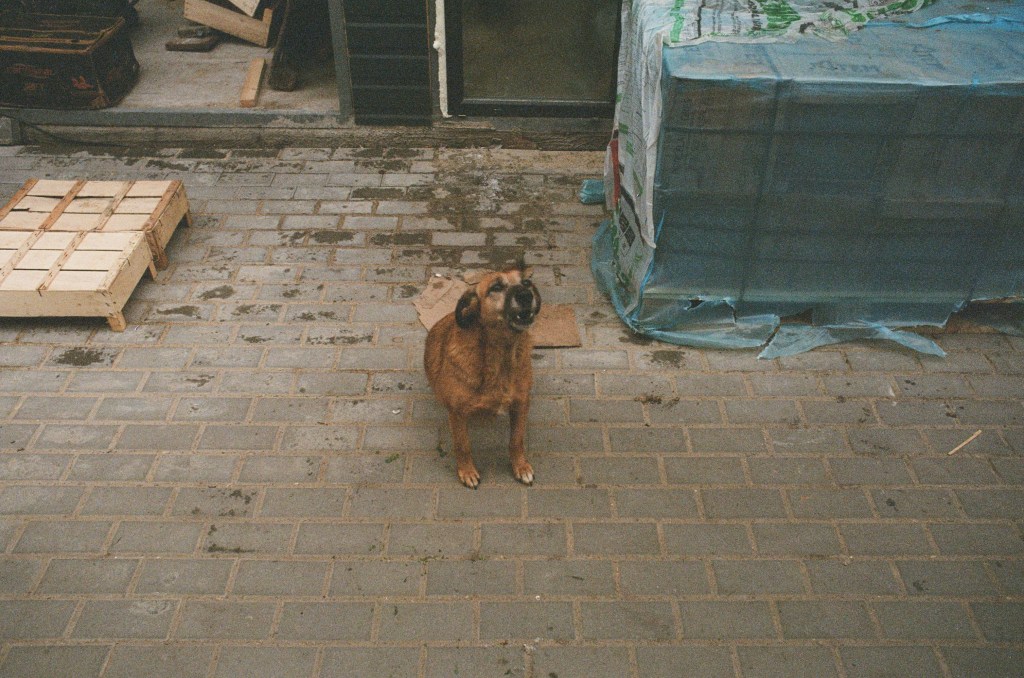
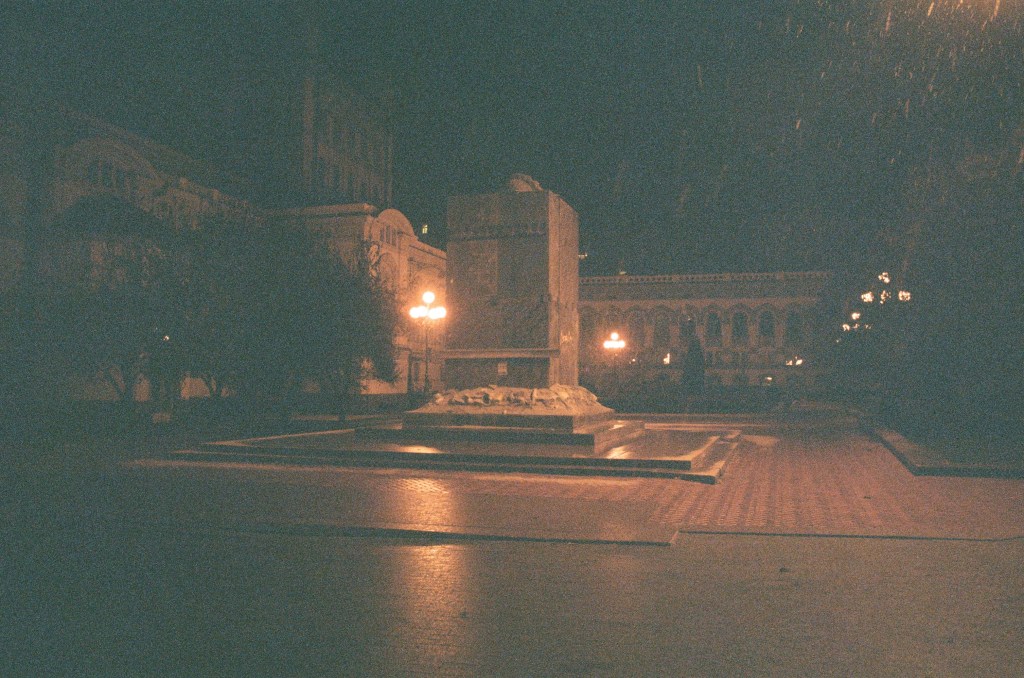
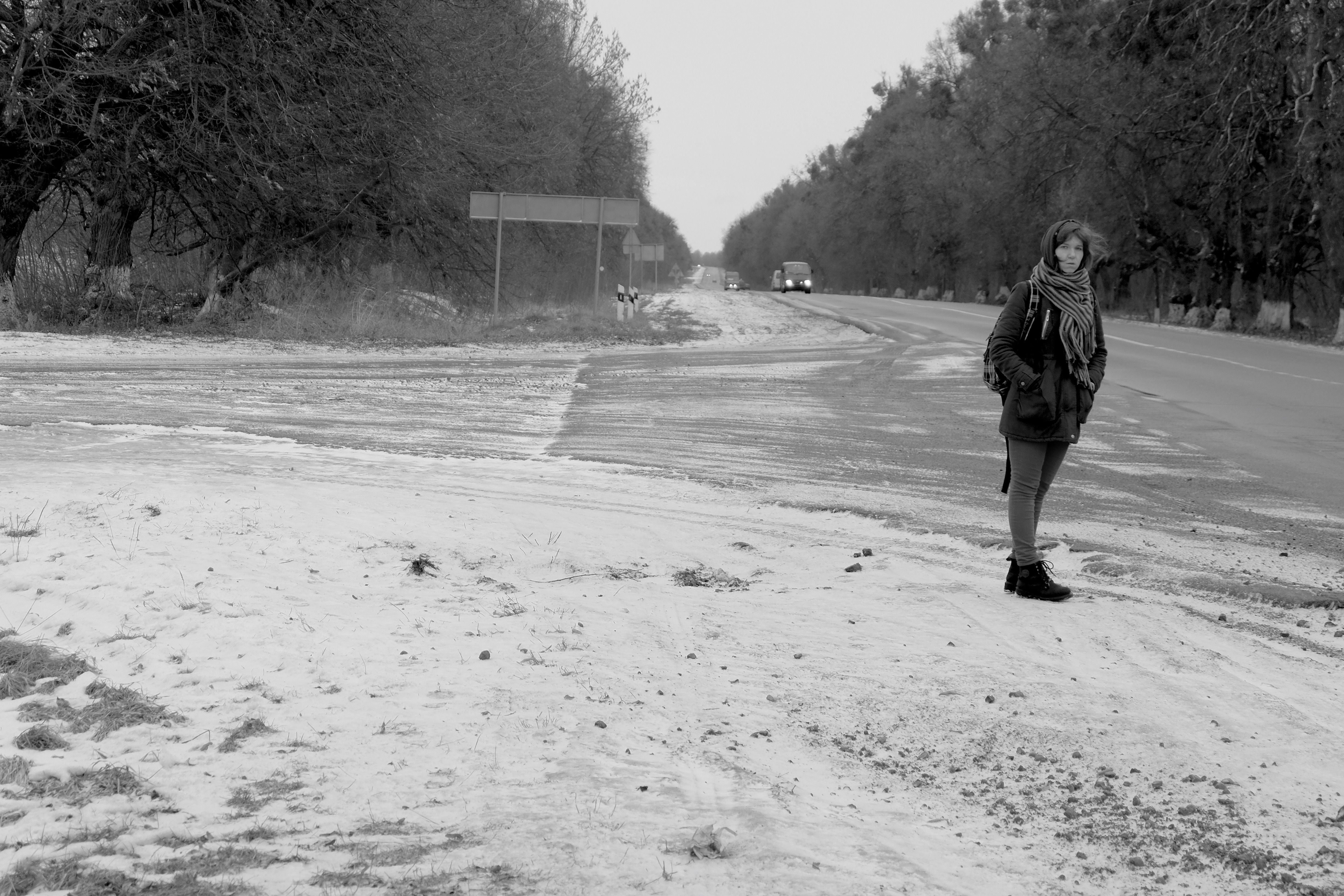
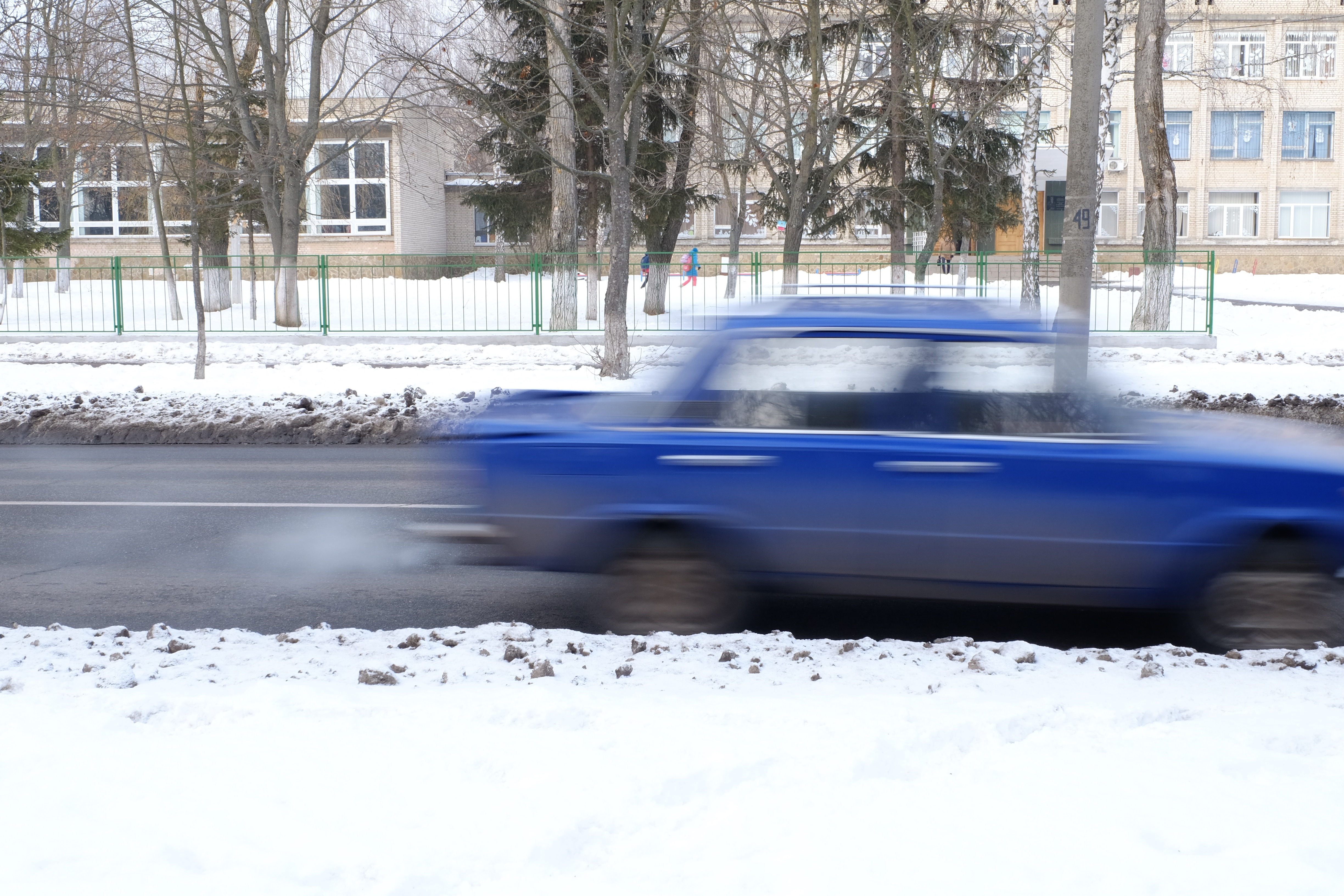
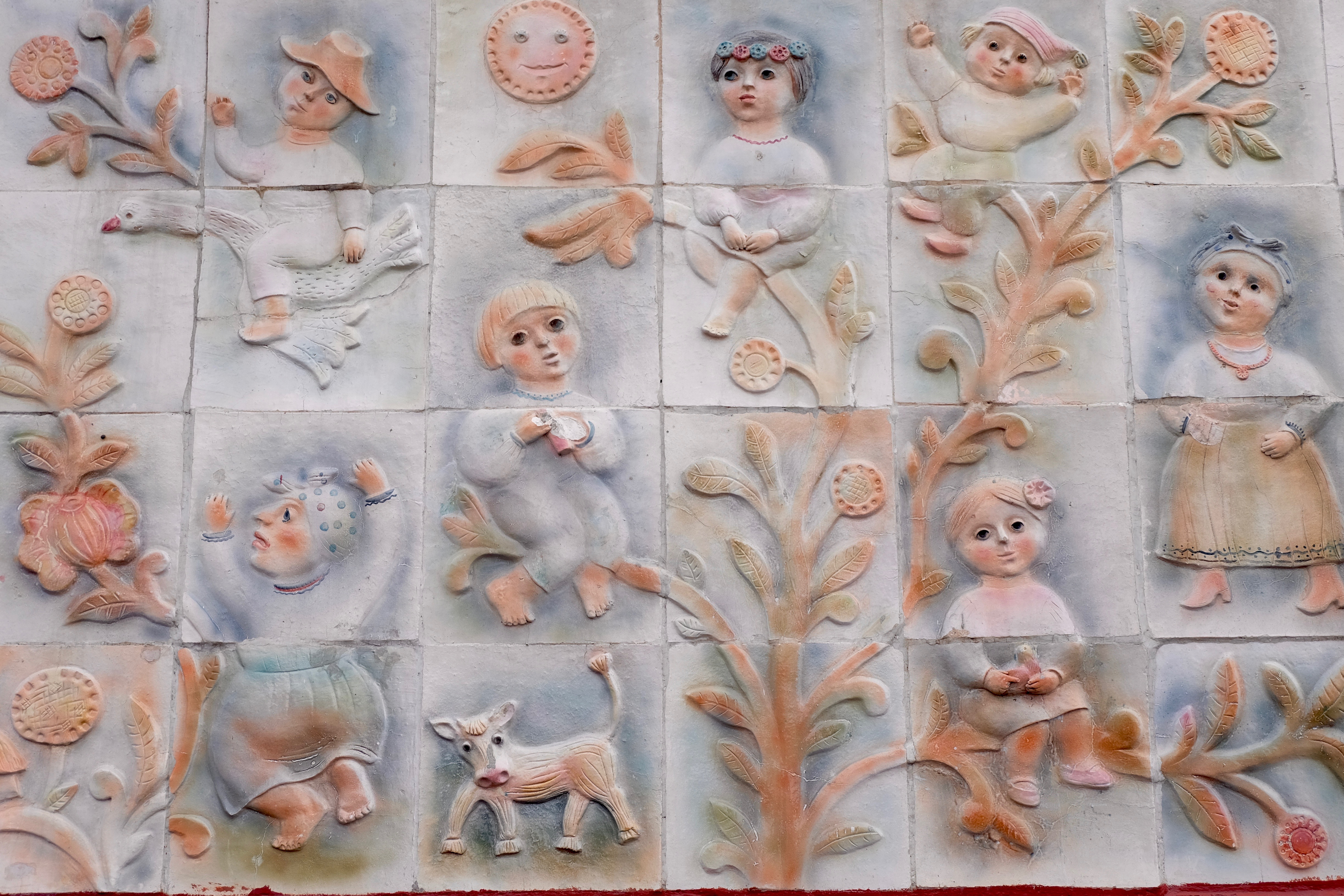
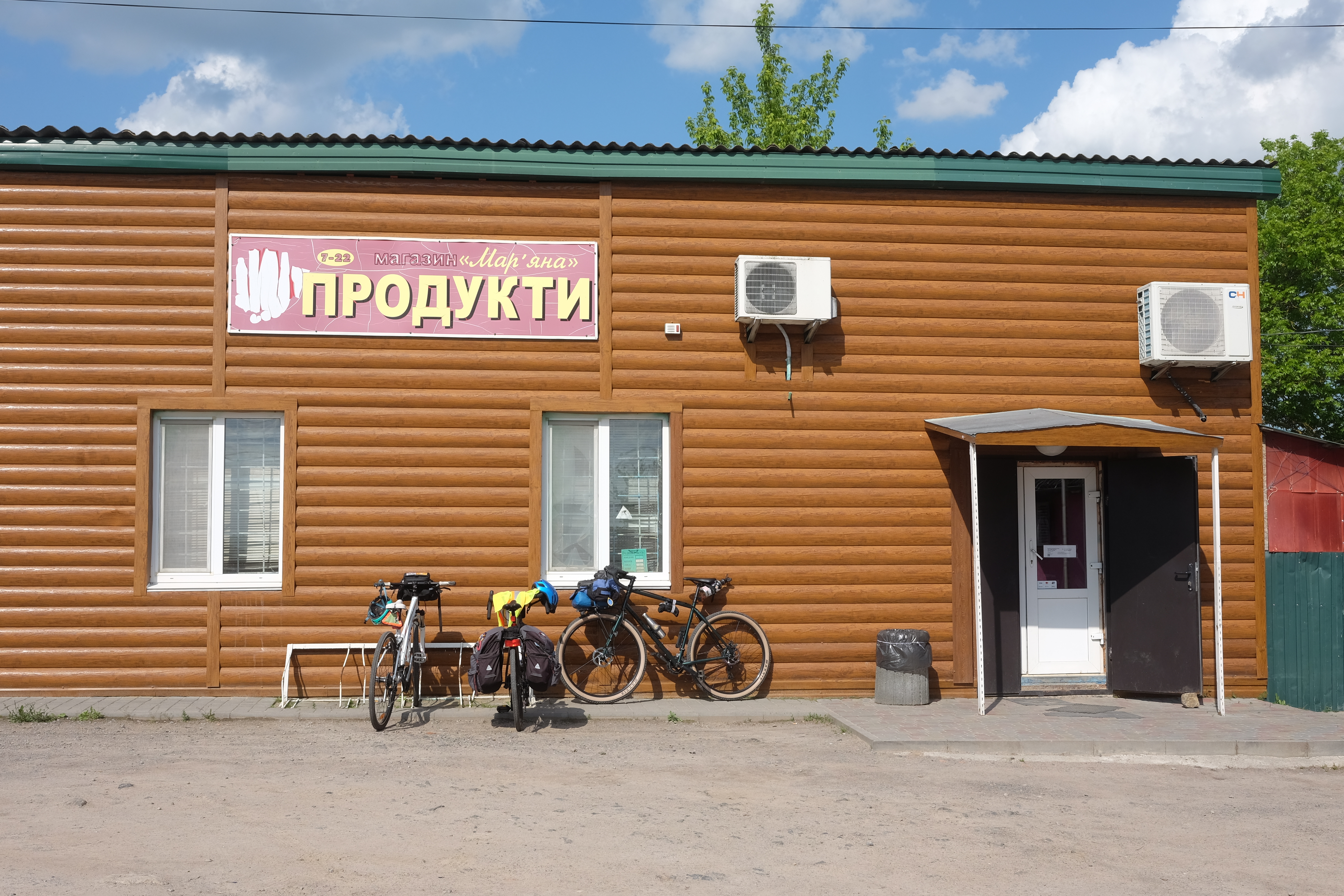
    We roll into Brailiv after napping in the nearby forest. Air raid sirens hang above the town like static electricity, and outside the school girls sing and choreograph movements to “Ukraine Sings”, while stray dogs chuckle and drink from puddles. On this episode of Dissociative Village High School. Outside of the town’s lone shop we discuss where to go next. Two girls on recess coming out of the shop with ice cream muster up the courage to say Hello and Are you from English? before noticing their error and running off giggling, warm. It feels good to be important again.

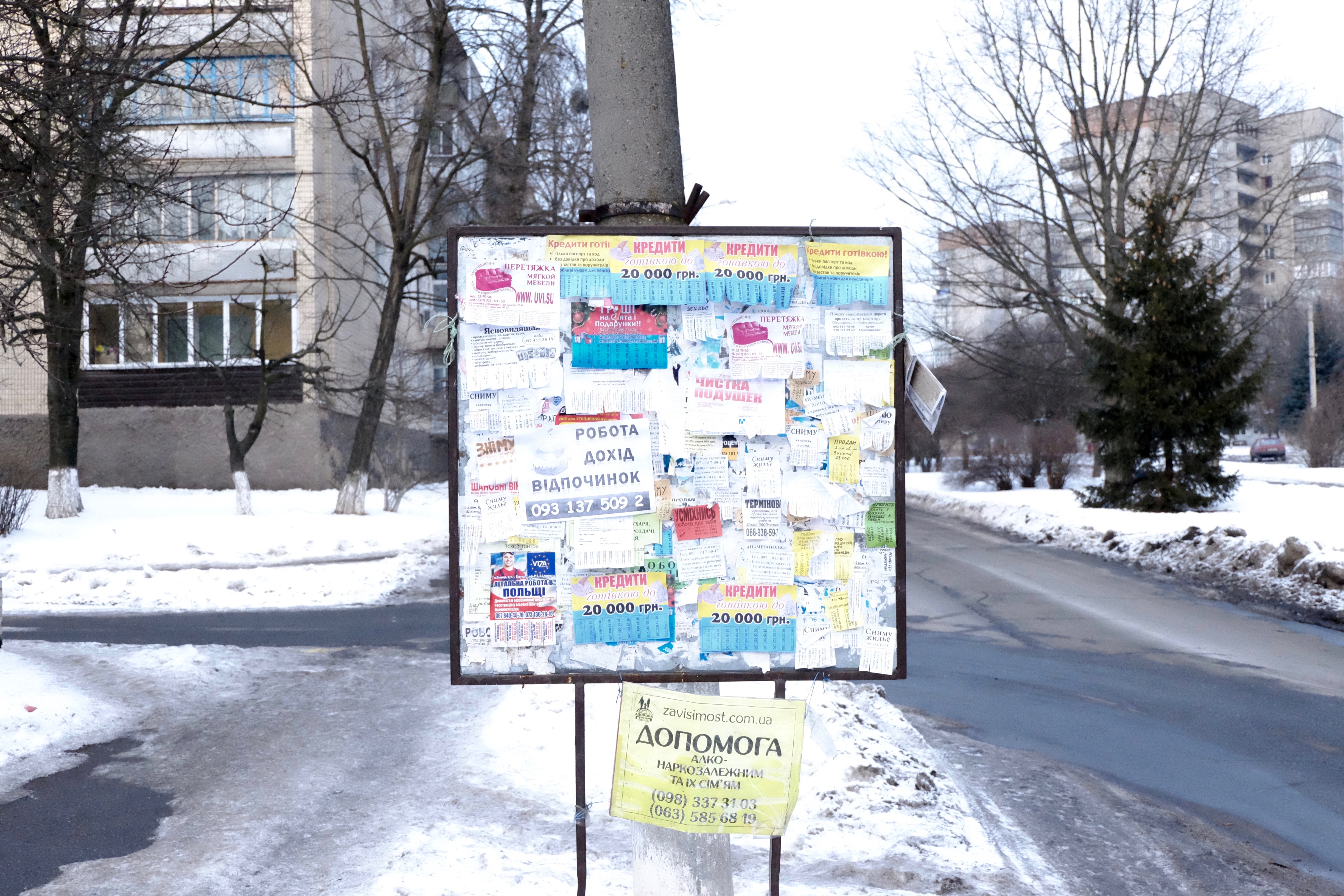
    The other Canadian Anglophone in online language course has a minor break and says there’s just no logic to the Ukrainian language. The other masc-presenting person who speaks Russian, agrees. The teacher (the only one who actually knows the language aka the only one with authority) kindly disagrees. Just because you don’t understand something, doesn’t mean it’s not logical, she wanted to say. I sit silently: I think he meant, there’s no logic to a world where an Anglophone bothers to learn another language. It doesn’t increase job opportunities, he’d told me. Why bother learning another language when people who don’t speak English are less intelligent, several hundred years of colonialism asks me. This same logic led to where we are now, air raid sirens disrupting chuckling dogs, armymen torturing journalists.

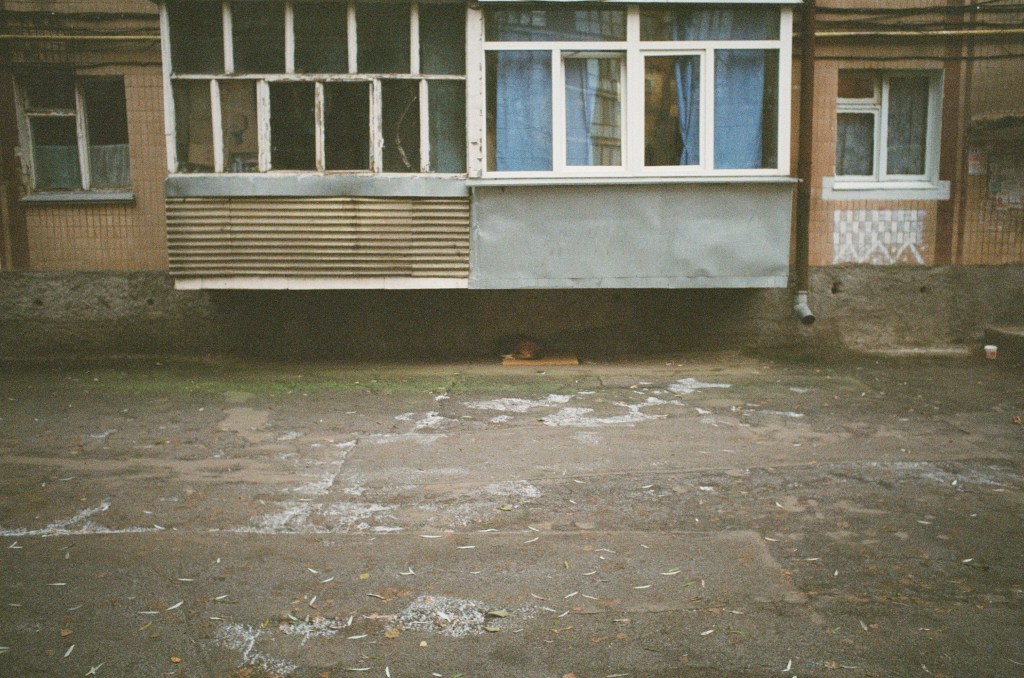
    Small things. How they cement-in these slick tiles in outdoor spaces and then have to build wooden staircases overtop so they aren’t so slippery. How you’re surprised when they decide to actually turn down the house lights at a show. How their driving is so unsafe as to be uncivilized. How the rain slaps on the tin overhang at the apartment. Noticing cultural differences doesn’t count as learning when it is drowning in Canadian exceptionalism. That is, I’m not becoming a better person for seeing the nuanced differences in daily life if I’m not challenging the part of me that is conditioned to think that their differences are inherently worse. When you’re brought up being told your country is the greatest in the world, it takes a long time to decondition the idea that the squealing wheels of the tram-bus isn’t because they are merely a lower order of human.

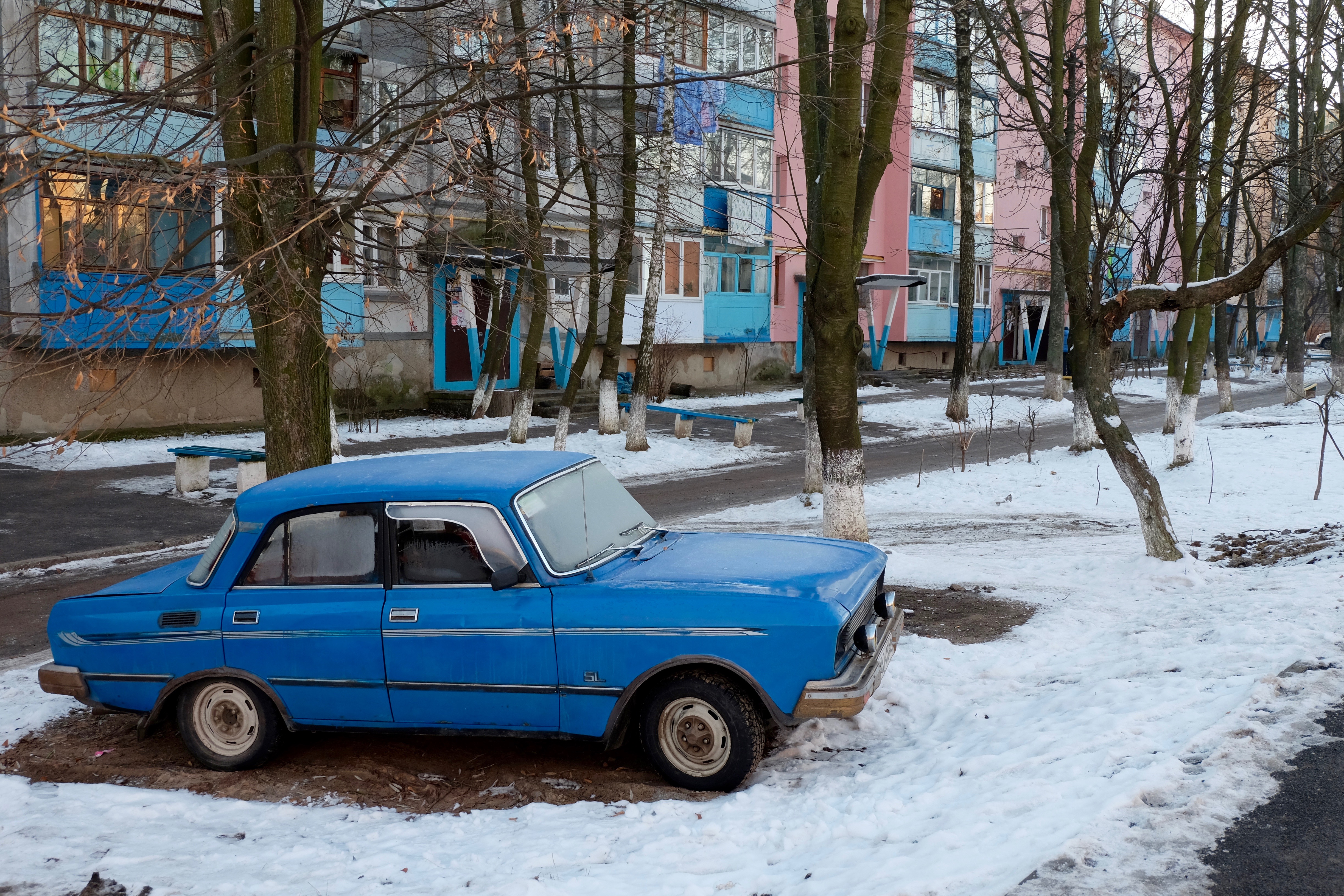
    All that I have internalized as better, is money. Village roads with more hole than road. Plastic bags for plastic bags. Litter in the pond in the village. Corrupt politicians. Plastic baseboards. All the ways that I remember home as better, more comfortable, more advanced, is merely the presence of disproportionate financial wealth, locally and globally. And in Canada, the presence of wealth is stolen land and its extracted resources. The things I remember from home as better are linked to theft of land, the same theft of land that is actively making people here poorer. Colonialisms upon colonialisms my god.

    It’s certainly ok to feel relieved when you can order a beer naturally and without pain. It’s certainly ok to know that less slippery tiles are better than slippery tiles, even if they don’t look like a high-school drama production’s set of a plantation mansion. What’s not ok is to confuse ill-gotten wealth and language-supremacy with greatness.

    On the way out the door, two beer buzz, he says “See you later alligator”. I giggle, warm. And that’s ok.
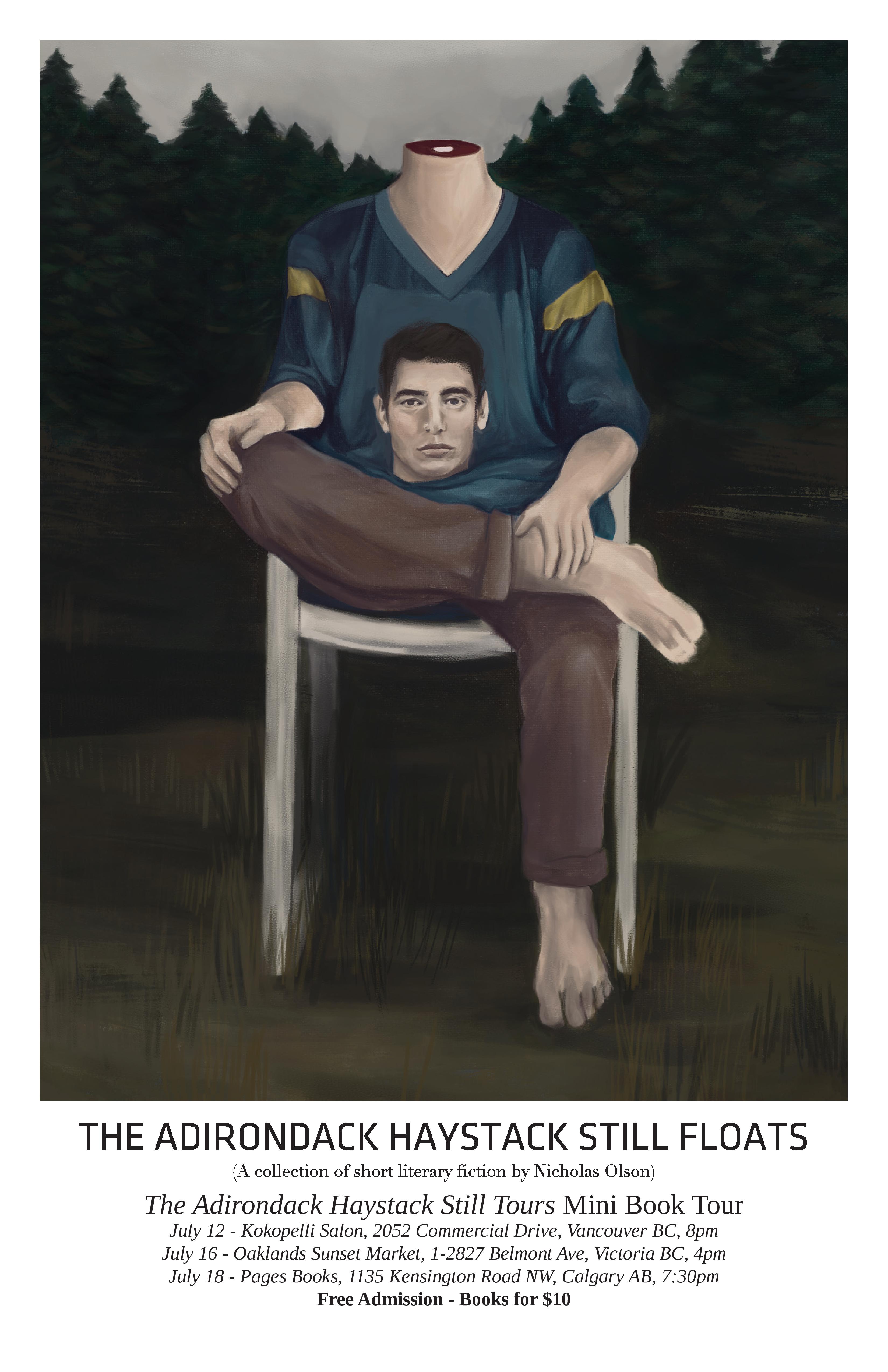
  • The Adirondack Haystack Still Tours

    The Adirondack Haystack Still Tours Mini Book Tour/Camping Trip

    July 12 – Kokopelli Salon w/ Son Howler, 2052 Commercial Dr, Vancouver BC, 8pm
    July 16 – Oaklands Sunset Market, 1-2827 Belmont Ave, Victoria BC, 4pm
    July 18 – Pages Books, 1135 Kensington Road NW, Calgary AB, 7:30pm

    See posters below. Click below for PDF versions.

     The Adirondack Haystack Still Tours The Adirondack Haystack Still Tours Poster

    Market July-page-001

    July 16 – Victoria

  • World Crokinole Championships – The Great Paternal Experiment

    The following piece was featured on Ominocity.com out of Saskatoon, Saskatchewan.

    Crokinole 4

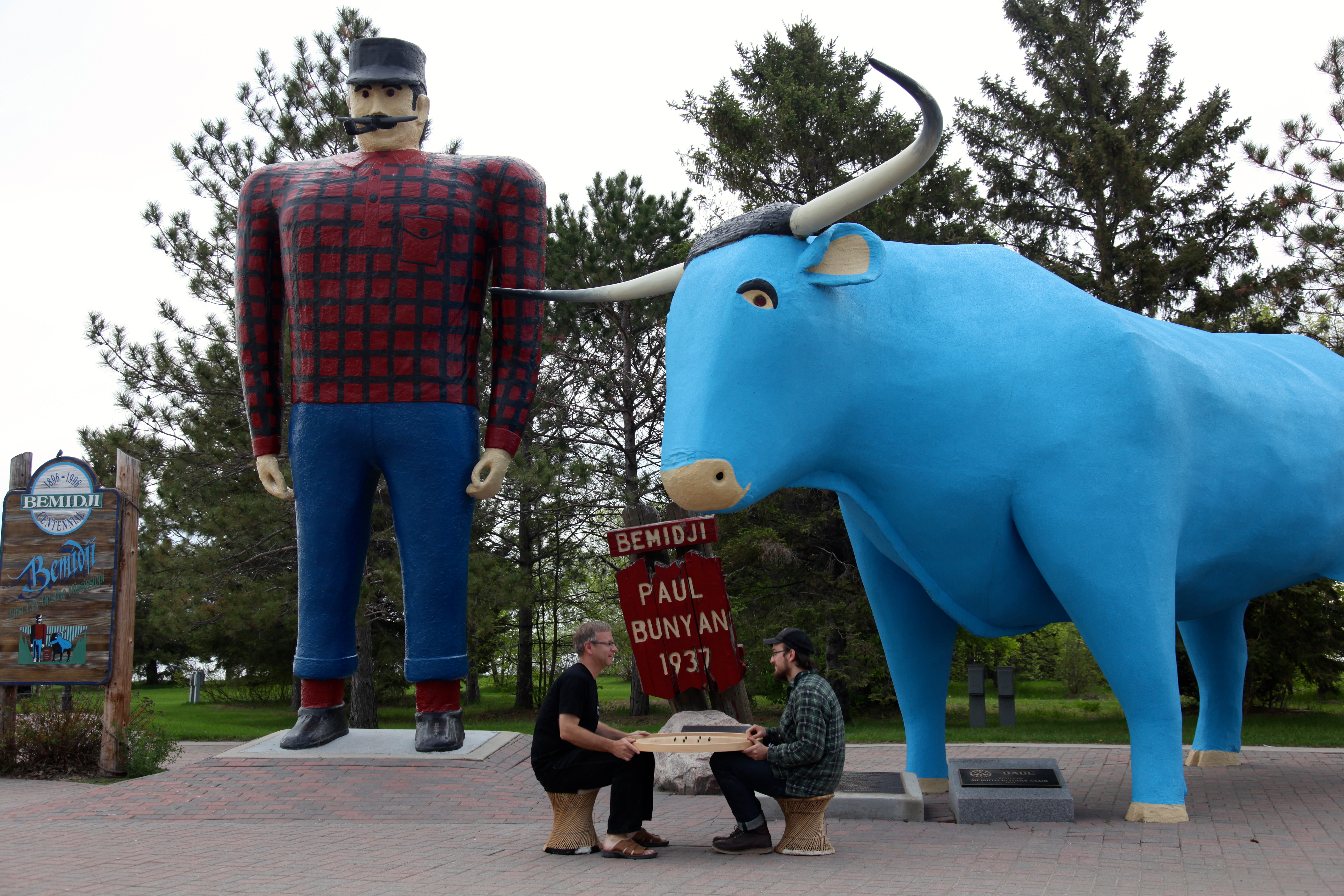
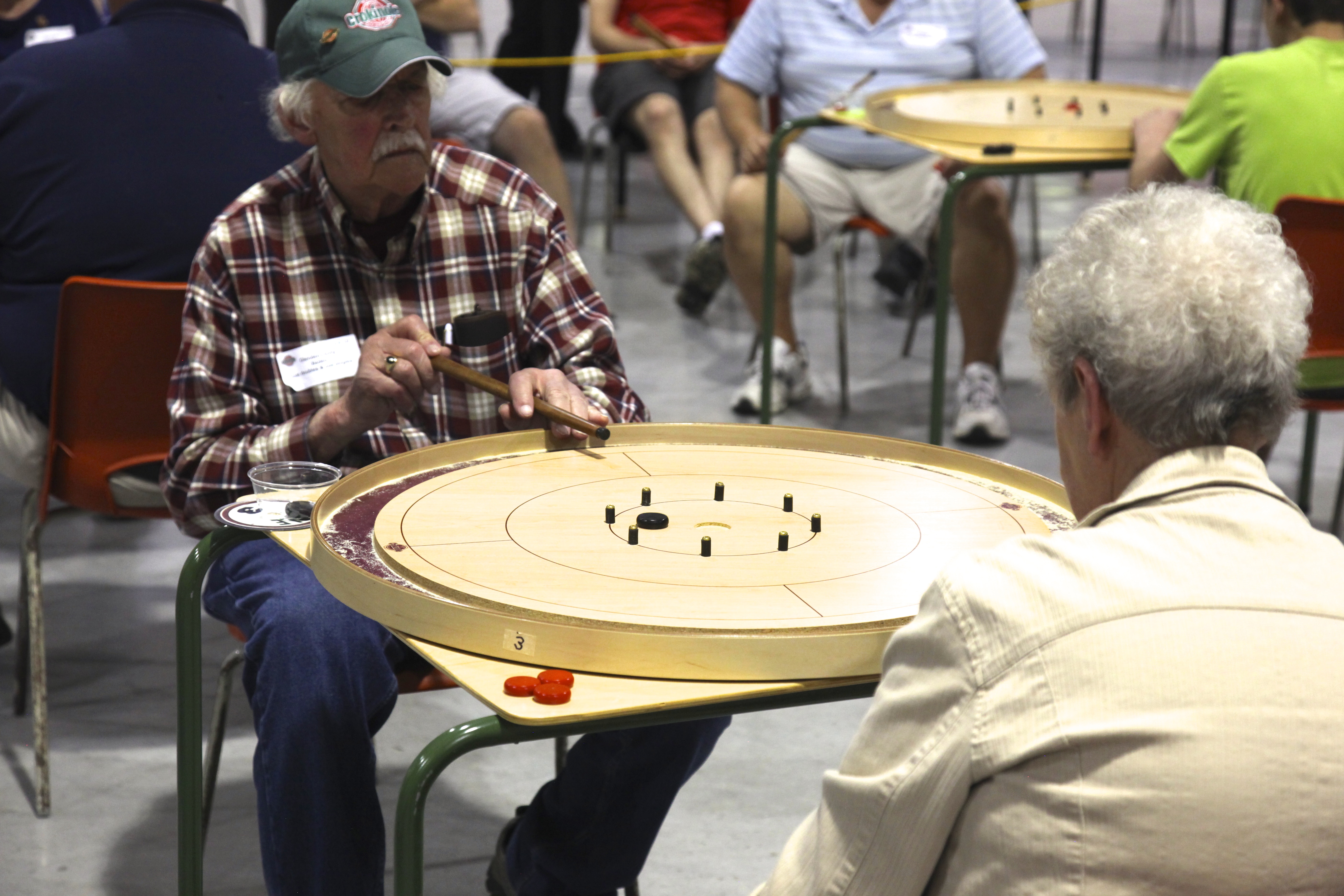
    If you’ve never heard of crokinole, you’re likely not a citizen of the disintegrating Canadian countryside. If you are from the North of 49 and you still haven’t heard of crokinole, you either a) are from a city, b) didn’t grow up in a church, c) grew up with a Nintendo, or d) had unloving parents. Crokinole is a two or four person game played on a 66cm-diameter circular board, in which each player has a determined number of discs made of lathed wood. Each player purposefully flicks these buttons with a finger or wooden cue towards a hole in the centre of the board a quarter-of-an-inch deep and only slightly larger than the button itself, attempting to avoid the eight stationary pegs that guard it like pawns on a chess board.

    It is a game you may have played with your loud uncle and your wrinkly aunt before Christmas dinner. A game in which your grandpa is likely indomitable in between heavy naps in a dusty cardigan on an itchy couch. It is a game you may have tinkered with not knowing the rules (of which there are perhaps three), or, as previously determined, a game you may not have ever even heard of. For myself and my father, it is the game in which we competed at the World Championship in Tavistock, Ontario on June 1, 2013. The World Crokinole Championship, widely revered as the Stanley Cup of crokinole tournaments, the Kentucky Derby of the forefinger stallions, centre stage of peculiar rural males aged 39-88, was obscurity and sportsmanship perfectly defined.

    Crokinole 3

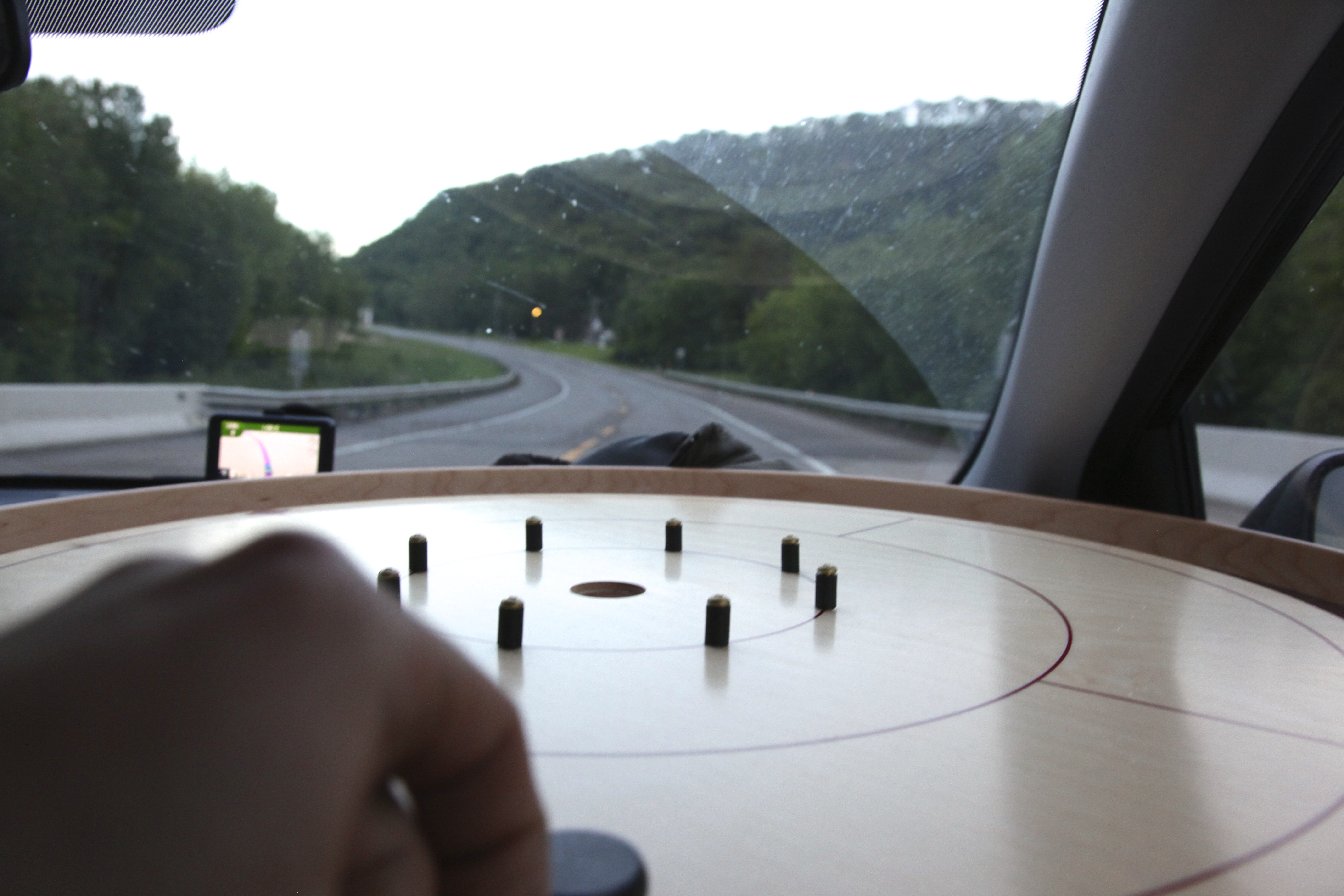
    After driving straight through six U.S. states and two Canadian provinces, we pulled into Tavistock, home of the oldest known crokinole board dating back to 1876. During the drive, when our periods of silence (often reaching four or five hours at a time) were broken, we discussed religion in many contexts; traditional theology, silage and dairy production in devout farming lives, and most importantly, righteousness through crokinole techniques. We made our ecclesiastical pilgrimage, fasting from sleep and whole foods in the goal of reuniting westerly disciples with the holy land of immaculate wooden conception. We were pilgrims for the board of life. The home of crokinole was like I had dreamed it would be as a kid of twenty-four years old. An established farming community of dairy producers with a Main Street that boasted a two-decade old Chinese Restaurant, local credit union, and butcher shop. As one might expect, side streets were dotted with various forms of seniors’ homes.

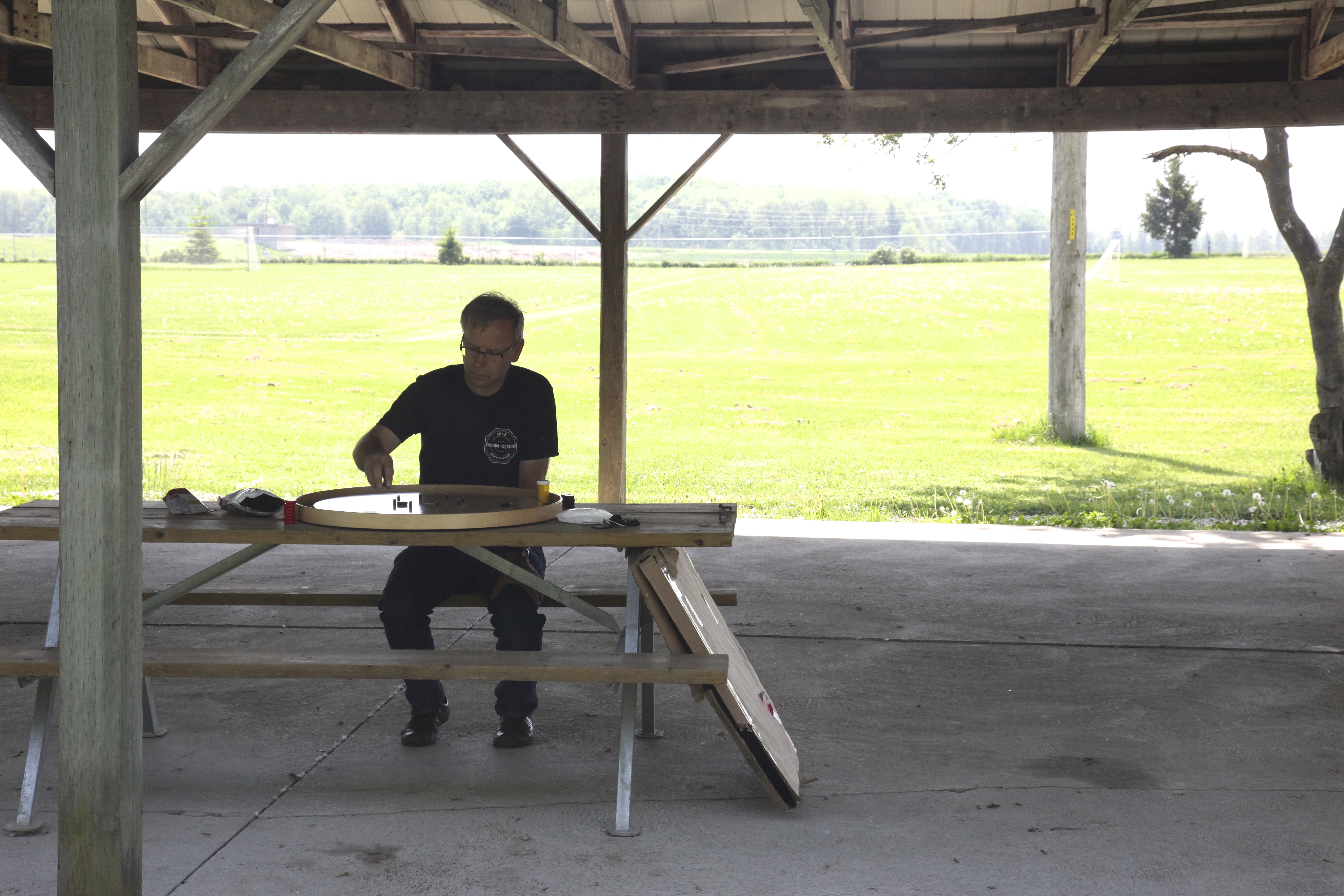
    Upon arrival, silence was broken by John Schultz, the bald, wiry, extremely pleasant chairman of the World Croknole Championship, asking, “Are you folks here for the crokinole tournament?” He woke us napping in the park—our first hours of horizontal sleep in two days—and it finally occurred to me what we’d done. We drove twenty-two hours for crokinole. In the same amount of time I could’ve driven to the flawless forests of northern California. I could’ve driven to Nunavut. “Holy shit,” I thought, “I could’ve just travelled an hour and played a game of crokinole with my grandpa.” But instead I drove twenty-two hours to play with all of the grandpas of southern Ontario. John Schultz continued to tell us that other folks drove in from Michigan, New York, Ohio, P.E.I.. We cleaned up, grabbed our board, and began our pre-tournament practice on a picnic table in the shade of Queens Park.

    Crokinole 2

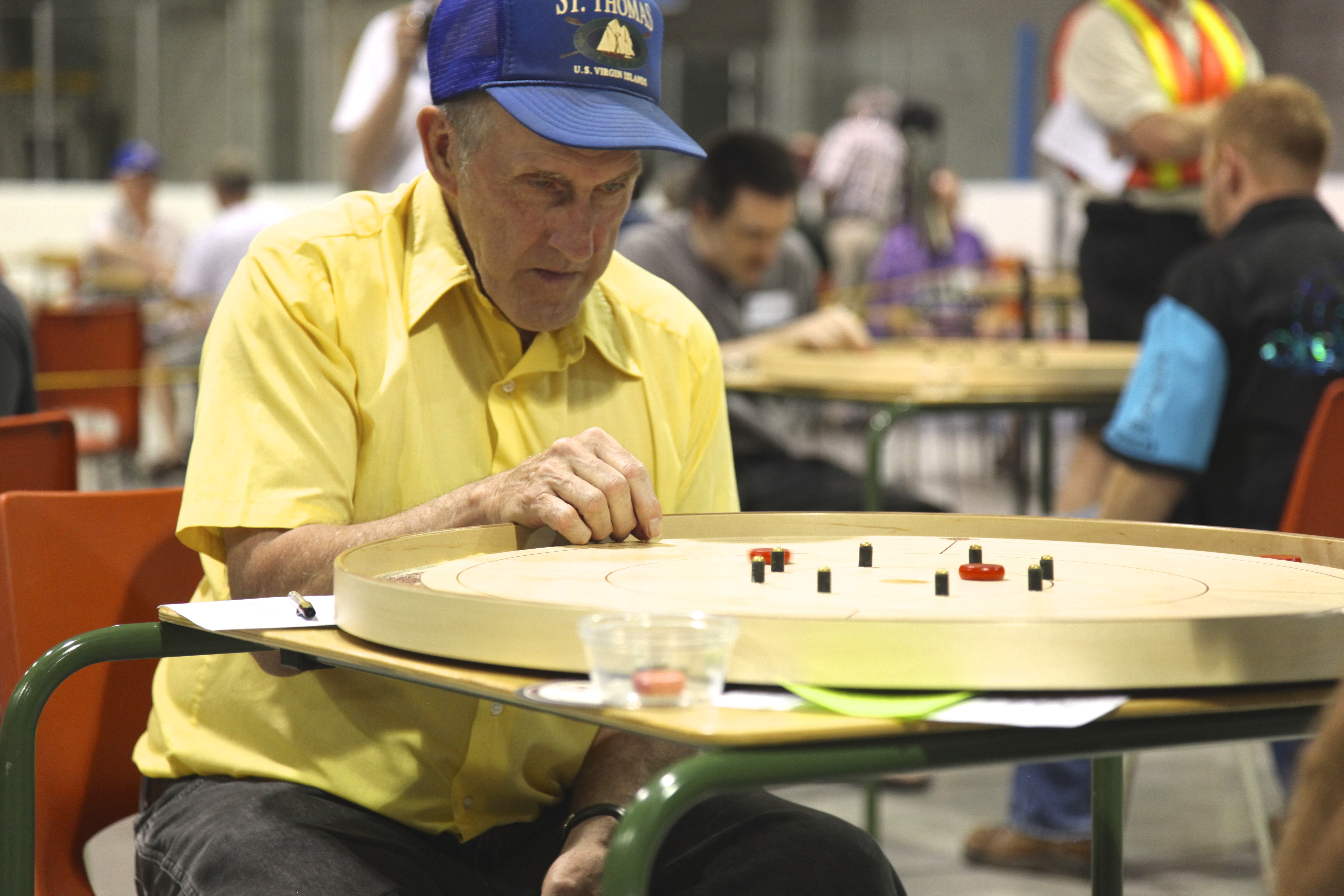
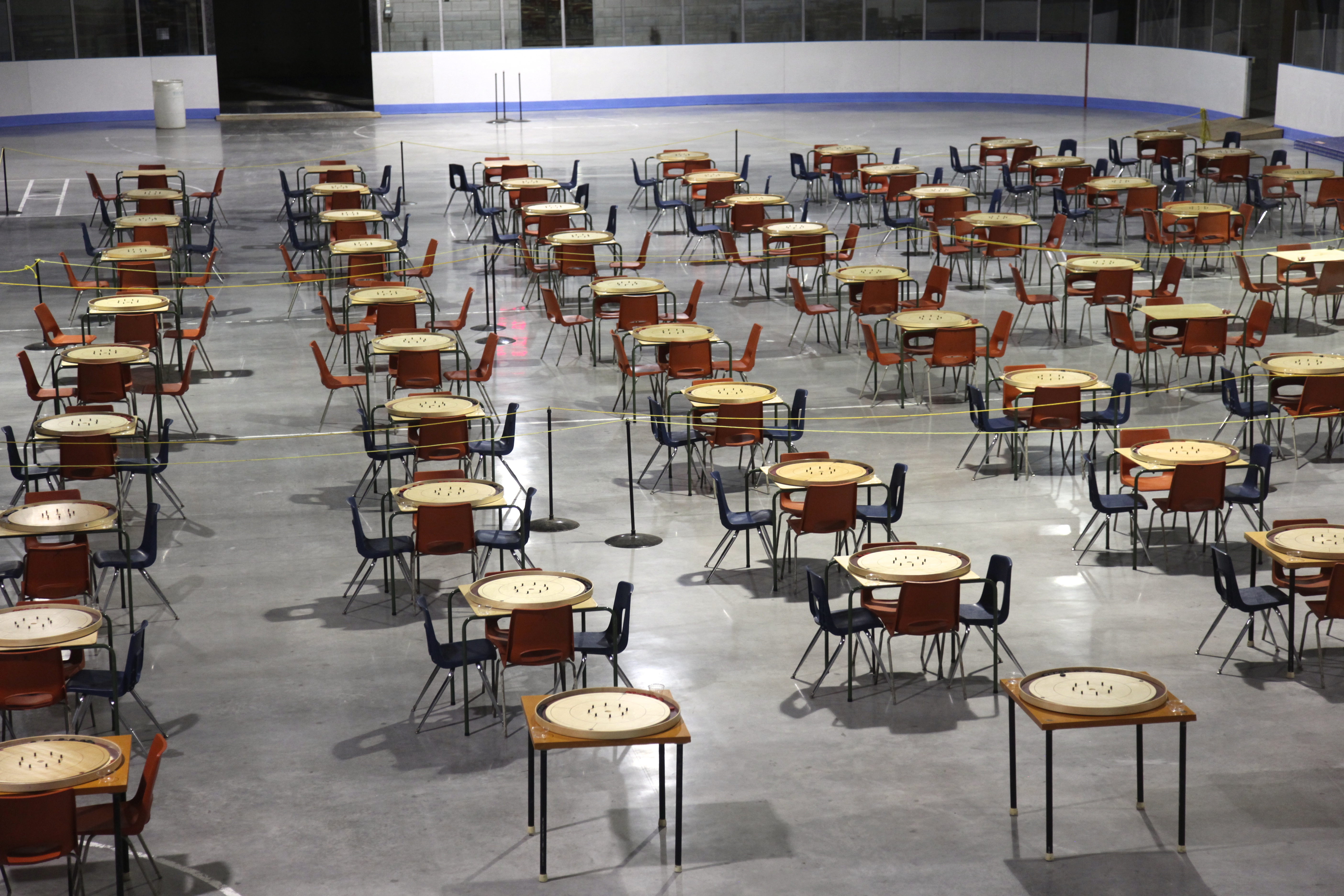
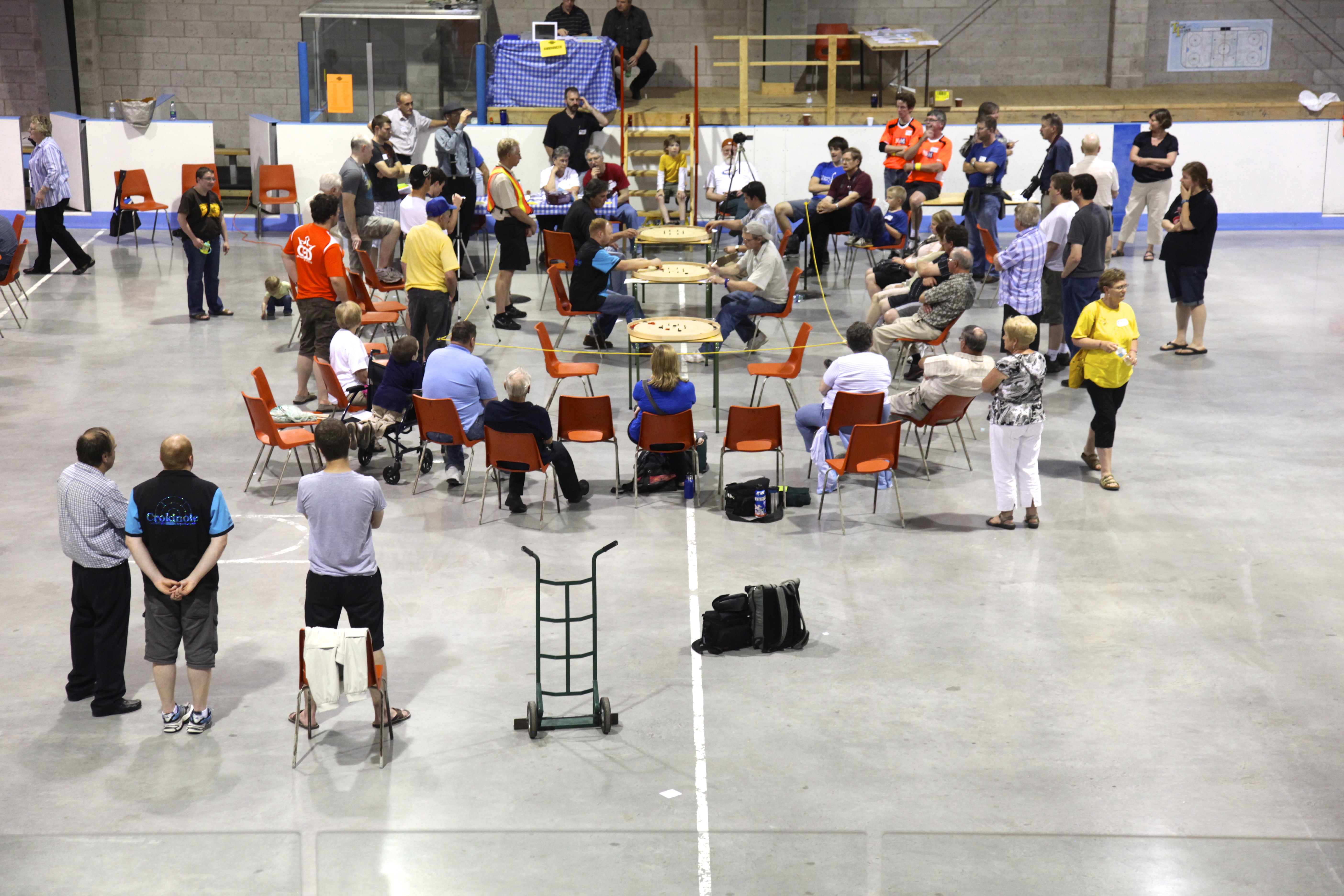
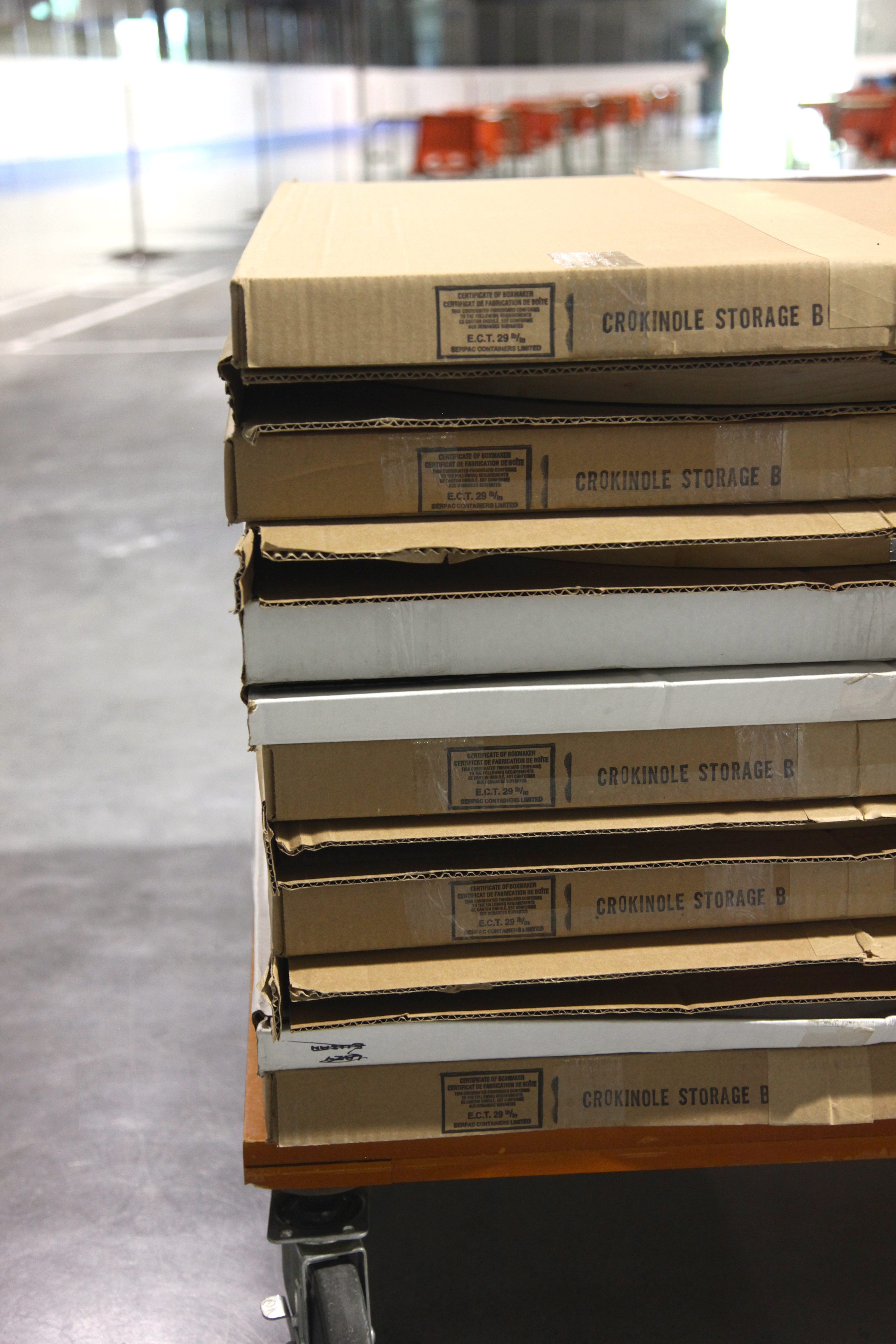
    On Saturday morning when I woke up at dawn to practice before competition began at 8:30, the Ontario air was thick. The humidity weighed down the crokinole buttons as if Mother Nature rubbed each one on her sweaty chest. After a breakfast fine-tuned for finger endurance I followed my father into the arena which housed over 64 freshly waxed, previously untouched boards set up in a grid on the concrete slab of the dried up hockey ice, all partitioned by yellow rope. Competitors and spectators in jean shorts and agriculturally branded caps floated around the merchandise on the perimeter of the rink. Those keen on capitalizing on the lucrative crokinole market sold World Championship t-shirts, ballcaps, boards and board accessories. People competed in the skill shot competition and captured photos of the trophies which were handmade for the event (it is difficult to find a golden plastic figurine of a man playing crokinole to fix to the top of a regular trophy). When tournament competition began, over 280 competitors showed their masterly applied-geometry skills and muscle memory. Each competitor sat down at a table with ten strangers for eight minutes at a time until the horn sounded, shaking hands and wishing luck to people they hoped to blank eight points to zero. Saturated in Canadian politeness, if crokinole isn’t a game of true sportsmanship, it isn’t anything at all.
    Crokinole

    As for the competition, unfortunately the prophesy from aged-competitor Dave Skipper that, “people with beards and moustaches shoot better on these boards,” didn’t prove true. I, one of the few participants with a gnarly beard, didn’t even place in the top half of the draw, and the eventual singles champion, John Conrad, had the hairless face of a teenager, although he was surely approaching his golden years. My father proved to be worthy competition, scaling the ranks of eleventh of 86 participants in the main draw, making the playoff round with the true elites. The final match drew crowds upwards of forty, those who had already sweat through their crokinole team jerseys and sweat bands, groaning and whispering with the final shots of the game. Hands become shaky with such pressure. For one of his final shots, Conrad made an incredible triple take-out. Someone in the crowd said in praise, “I think that was a statement.” In the finals, fathers sat behind the yellow rope, watching sons in competition, offering familial support. My father and I participated in the great paternal experiment that is crokinole.

    While discussing board consistency during the final round, a man who placed third in the doubles category, making no excuses, commented: “The heat, the humidity—we have been battling the elements all day long,” as though it were an Ironman competition, which, in a way it was. The oldest participant was 88-years old, and was celebrating his 50th wedding anniversary at the tournament. He had competed in all previous fifteen World Championships that had been held.

    If it were a televised event, and if the champions were interviewed and asked to describe their feelings, I imagine that like any other world final, they would stumble and mumble in speechlessness. There is no way to properly explain a world championship of any sport, and it only becomes more grueling when it is a celebration of nearly-perfected obscurity. We travelled knowing full-well that we were participating in an antiquated parlour game that itself was competing against screen-bright technologies for space in the family room. What we didn’t know was that our hands would shake and that we would miss shots from fried nerves in a game usually as relaxing as a free massage. We didn’t know that we’d have to practice for another year to make even a dent in the crokinole kingdom.

    Back to the grind. Back to the board.


    Crokinole 1

    Crokinole, The Finals

    Crokinole Boxes

    Crokinole Cues